Laser 101: FAQs & Tips for Laser Cutting
New to laser cutting? Start here. We explain the basics—how CO₂ lasers cut and engrave, which materials are safe, and how to set up your file. You’ll learn the difference between cutting and engraving, why vector files matter, and simple ways to avoid burn marks or rough edges. We also cover safety, ventilation, and tips for better results. Whether you plan to rent a laser or have us do the work, this quick guide will help you make confident choices and get cleaner parts.
FAQs
- Cutting vs. engraving—what’s the difference?
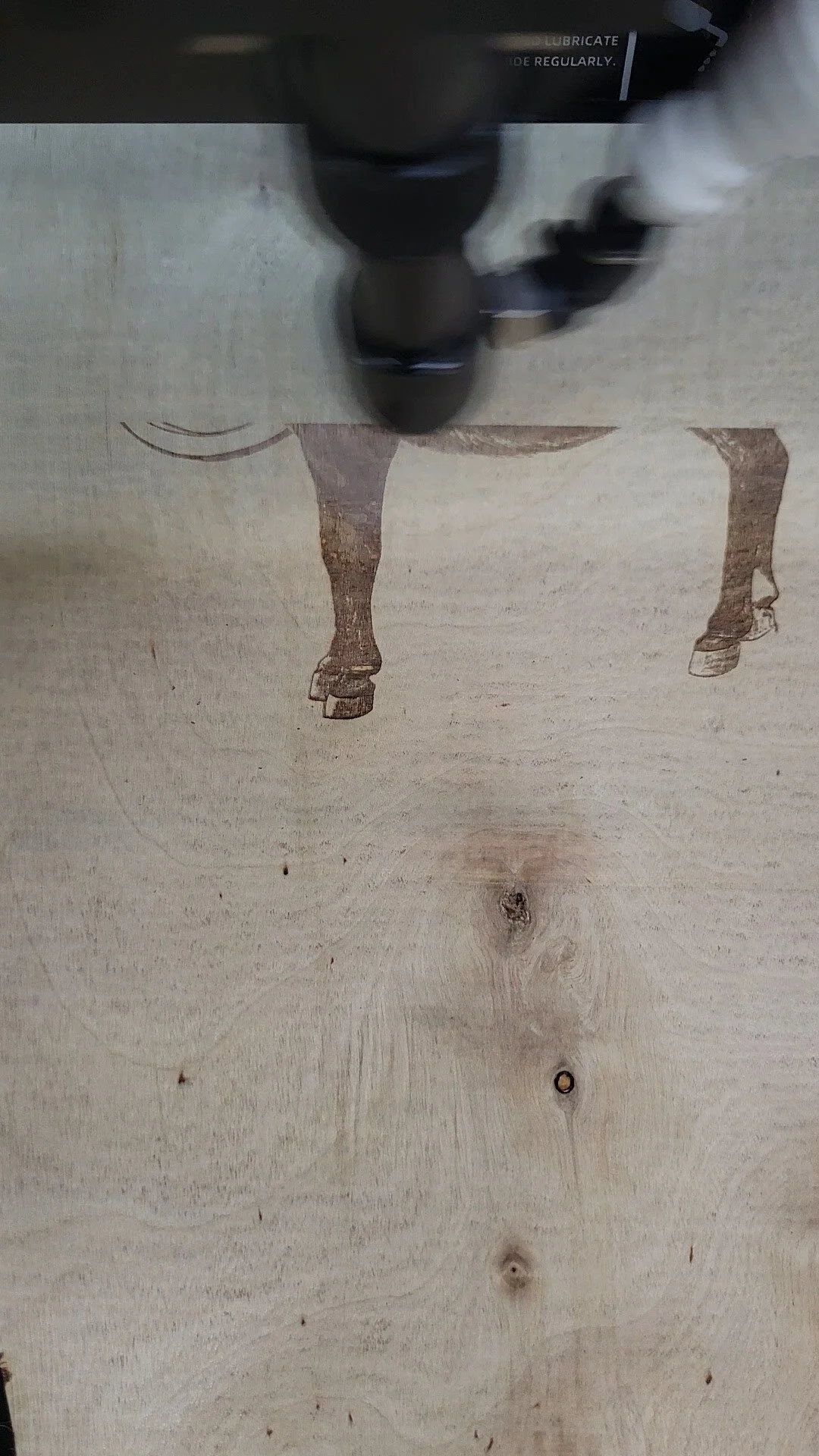
Cutting goes through the material; engraving marks the surface. - Which materials are safe to cut?
Common options include acrylic, wood, cardboard, some fabrics, and other laser-safe materials. Avoid PVC and unknown plastics. - Why won’t JPEG or PNG work for cutting?
They don’t contain paths. Laser cutters need vector files like AI, DXF, or PDF. - What software should I use?
Illustrator or LightBurn are common choices. Export clean vectors at the correct scale. - Any quick tips for cleaner results?
Use the right material, nest parts to save stock, keep optics clean, and choose sensible power/speed settings.
How Entertainment Prop Houses Use Laser Cutting
Behind every meticulously detailed set piece in film, television, and theater is often a laser cutter. Entertainment prop houses have embraced laser technology as essential to their workflow, enabling rapid prototyping, precise replication, and creative solutions that would be nearly impossible or prohibitively expensive to achieve by hand.
Speed for Demanding Timelines
Film and TV production schedules are unforgiving. A set designer might need 50 identical acrylic panels for a futuristic spaceship set, a thousand custom wooden laser-cut enhancements for a period piece, or intricate leather details for a character costume—all needed in days, not weeks. Laser cutting delivers that speed without sacrificing detail or quality. Prop houses can go from design to finished product in hours, not weeks.
Precision and Replication
Once a prop designer creates a master design, laser cutting enables exact replication at scale. Whether that's 10 identical acrylic light fixtures or 500 matching wooden set dressing pieces, the laser ensures consistency. This consistency matters enormously on camera—continuity supervisors need to know that every shot will look identical.
Complex Geometry and Detailing
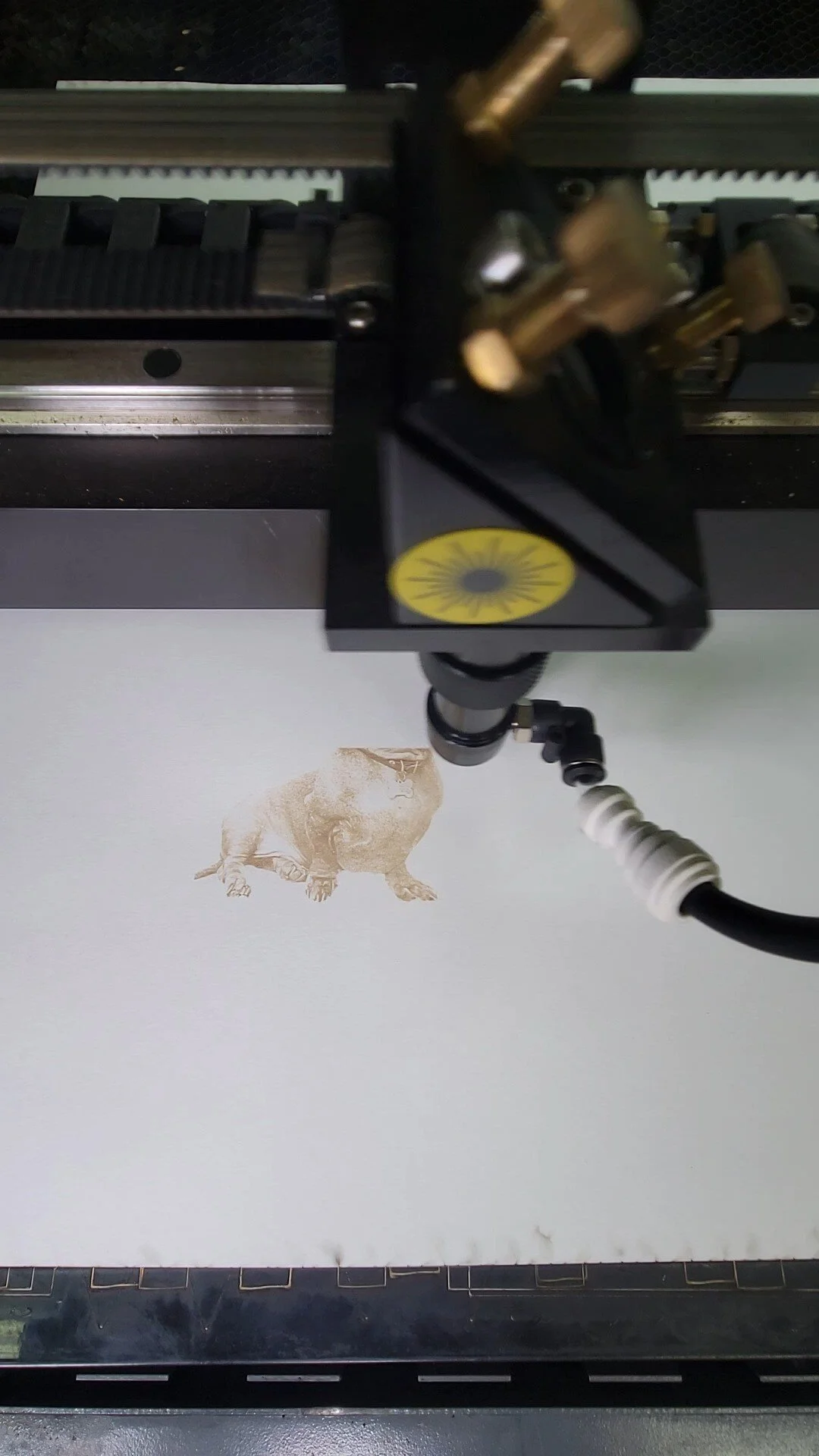
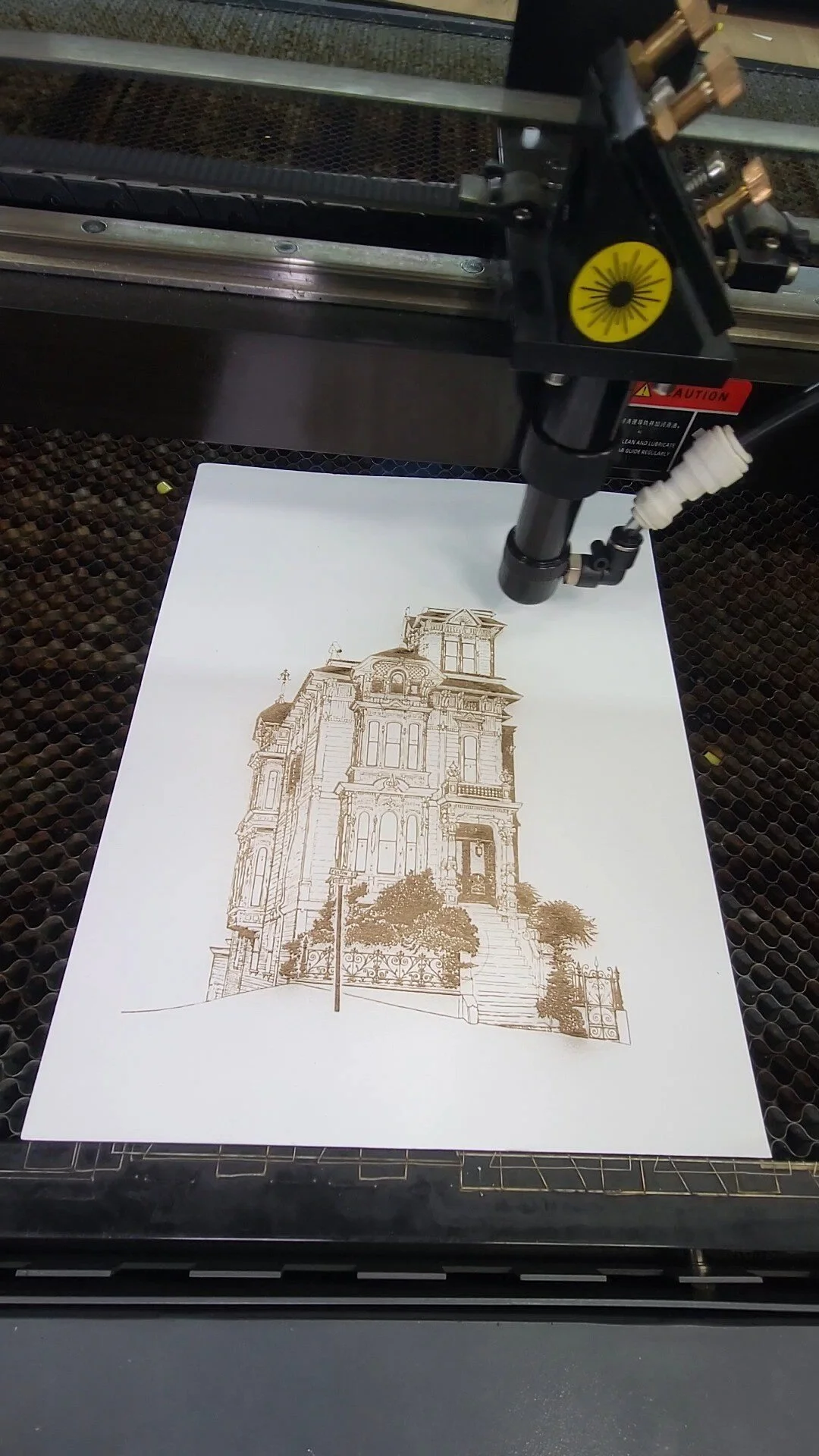
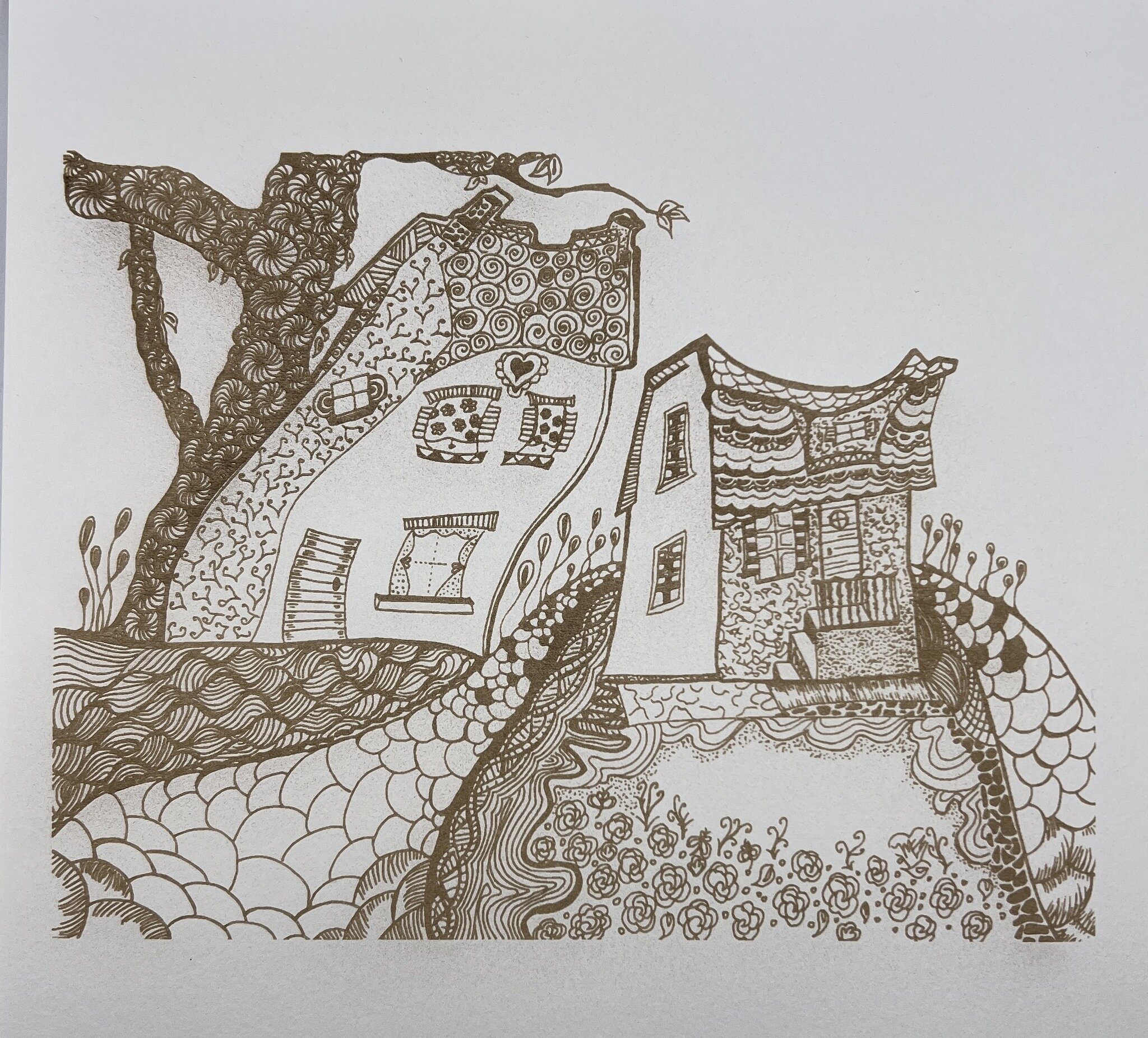
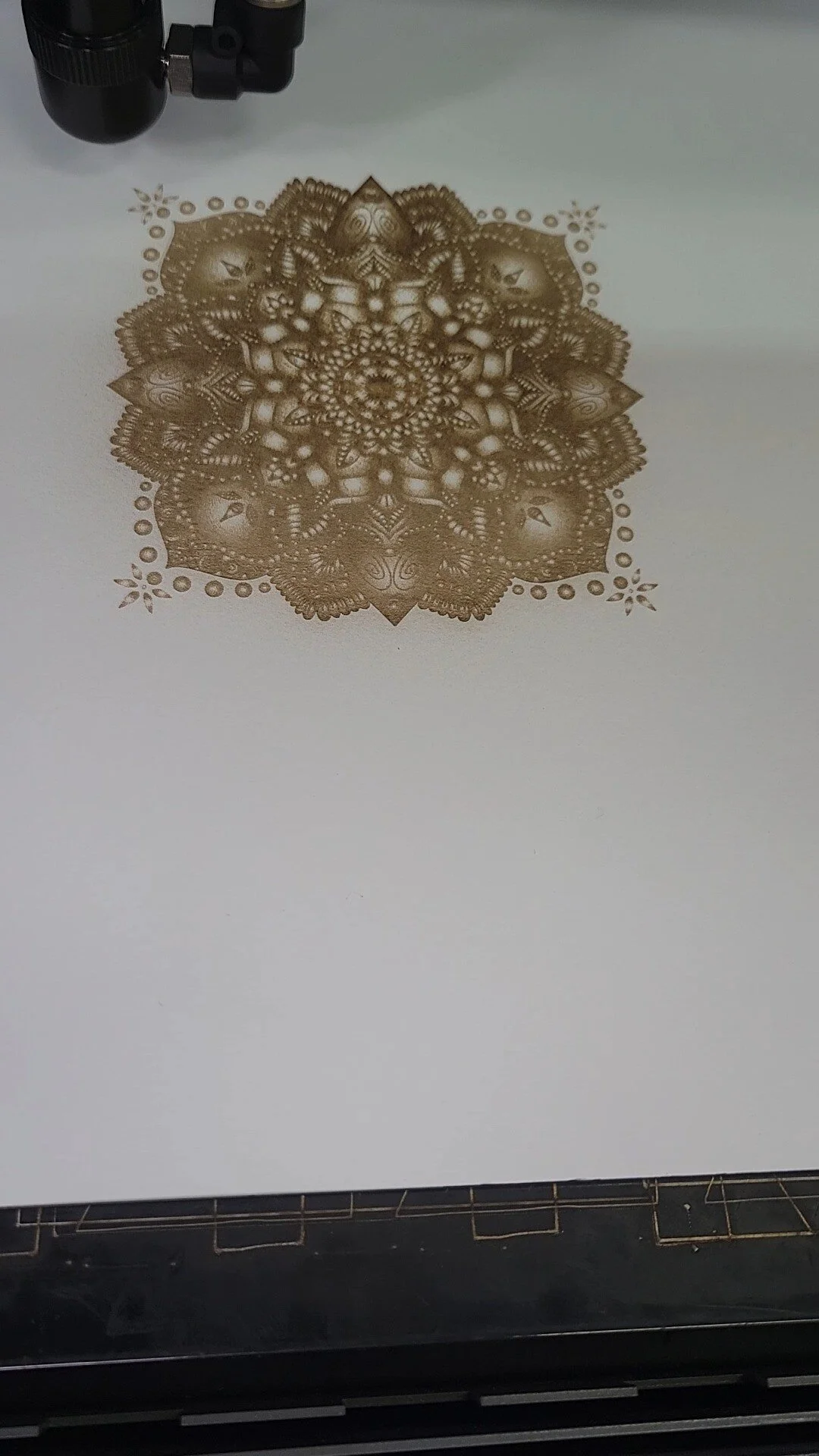
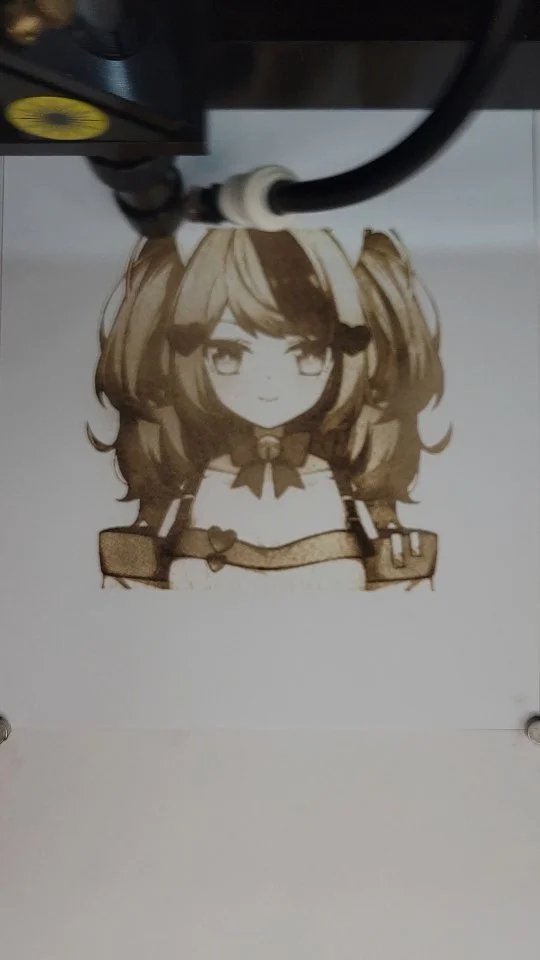
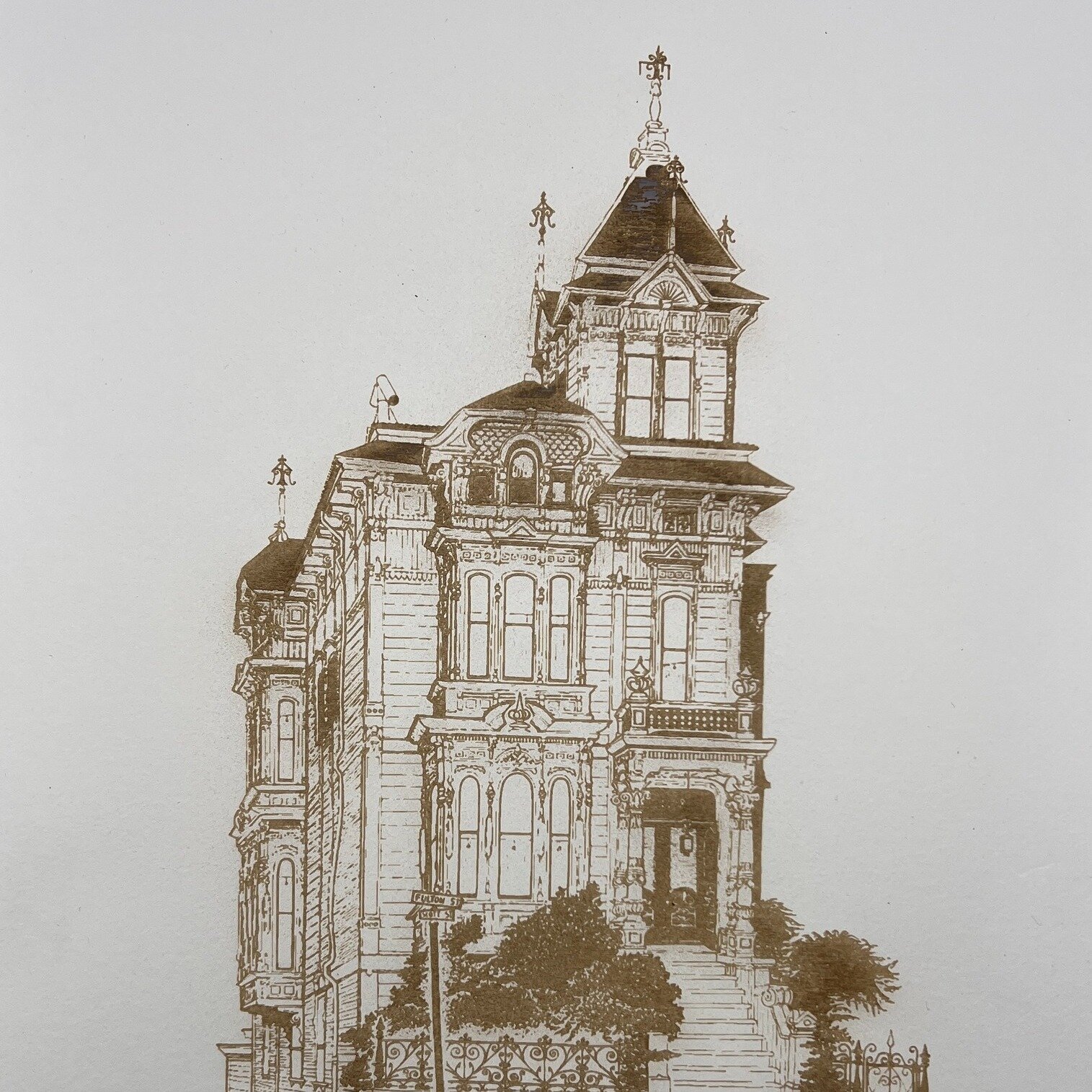
Prop designers often need intricate geometric patterns, relief carvings, or perforated details that are labor-intensive to hand-create. A laser can engrave fine detail into acrylic, wood, or leather that brings designs to life visually. Layering different materials or colors after laser cutting allows prop designers to create visually rich, complex pieces that photograph beautifully under studio lighting.
Material Flexibility
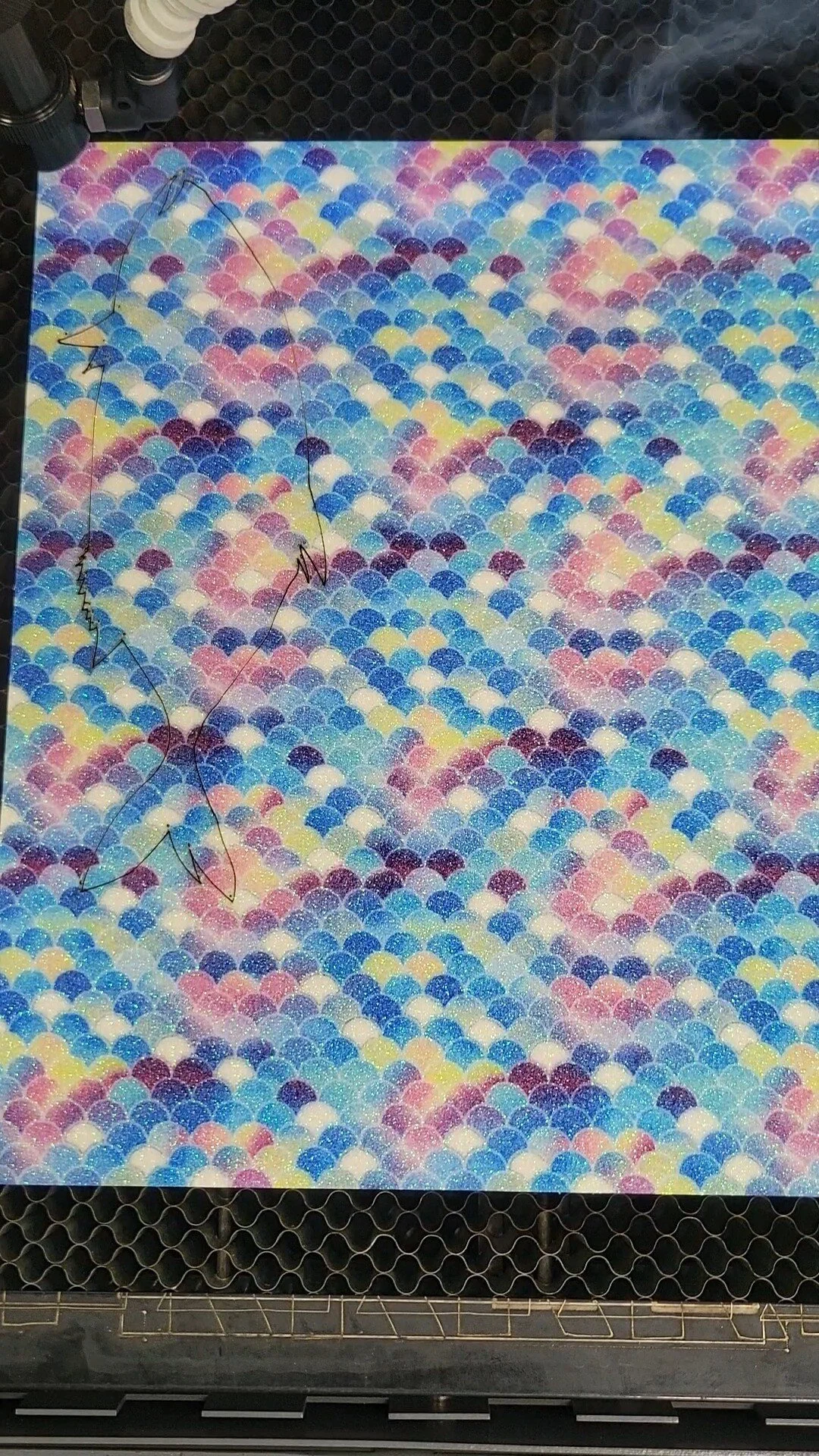
Prop houses work with everything—acrylic for transparent or translucent elements, wood for structural pieces or textured details, leather for authentic historical details, rubber for safe prop weaponry, even rubber for flexible pieces. Knowing that a laser shop can handle multiple materials without retooling means faster scheduling and more creative freedom.
If you're working in entertainment, film, or theater and need custom props, American Laser Cutter has served Warner Bros and other major production companies. We understand production timelines and can deliver. Get in touch at americanlaserco.com.
LASER CUTTING RESOURCES
This website is fantastic to pick up parts for your laser cutter.
This is a fantastic replacement software for laser cutters
https://lightburnsoftware.com/
This is a link to RdWorks software
https://www.ruidacontroller.com/download/
rescue files for RDworks and lightburn (still adding files)