Laser 101: FAQs & Tips for Laser Cutting
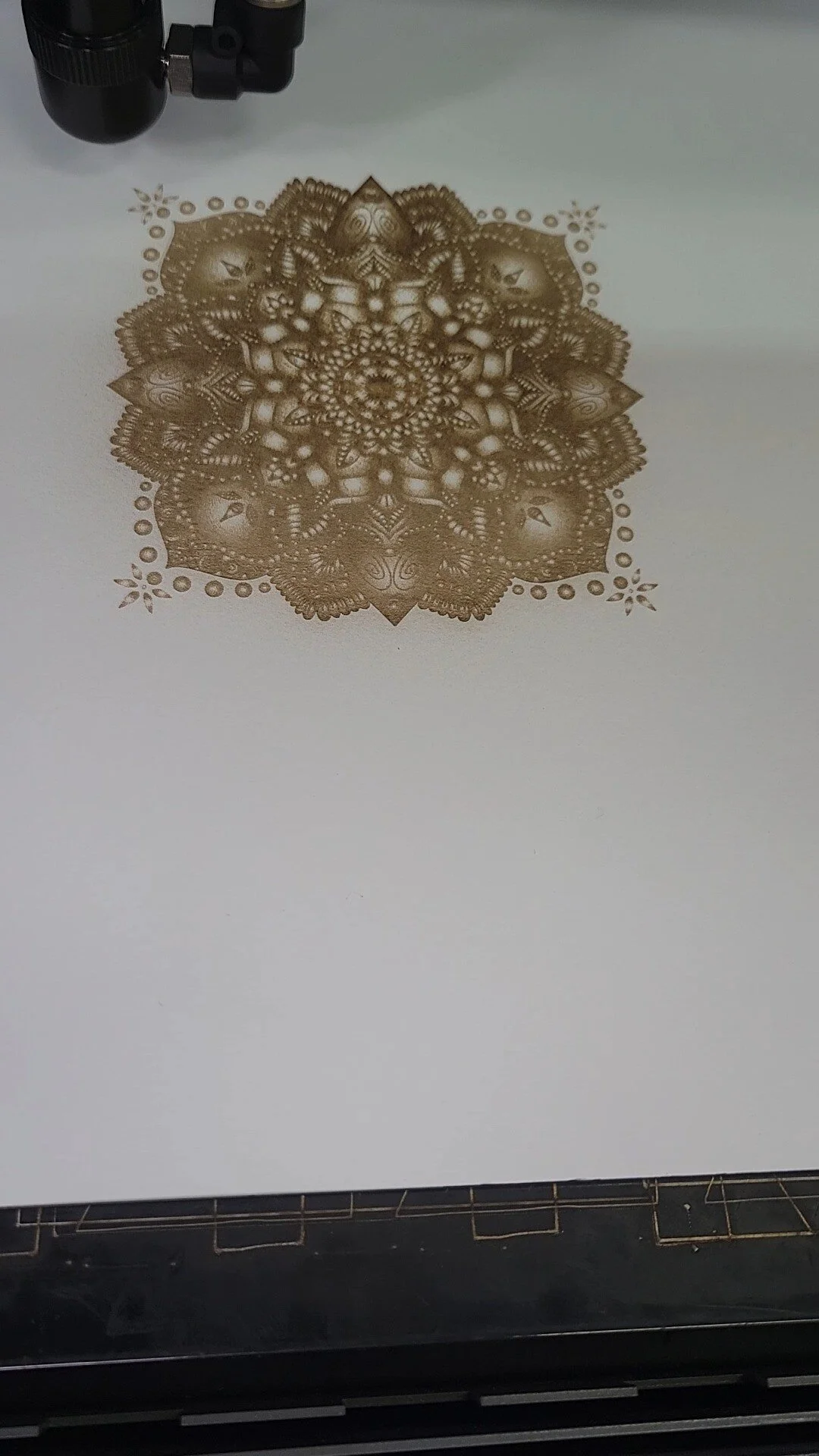
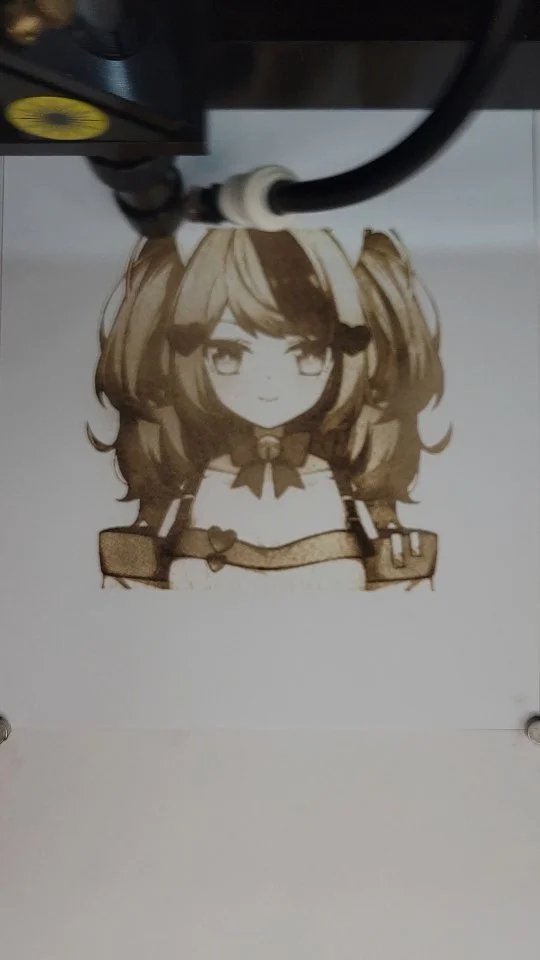
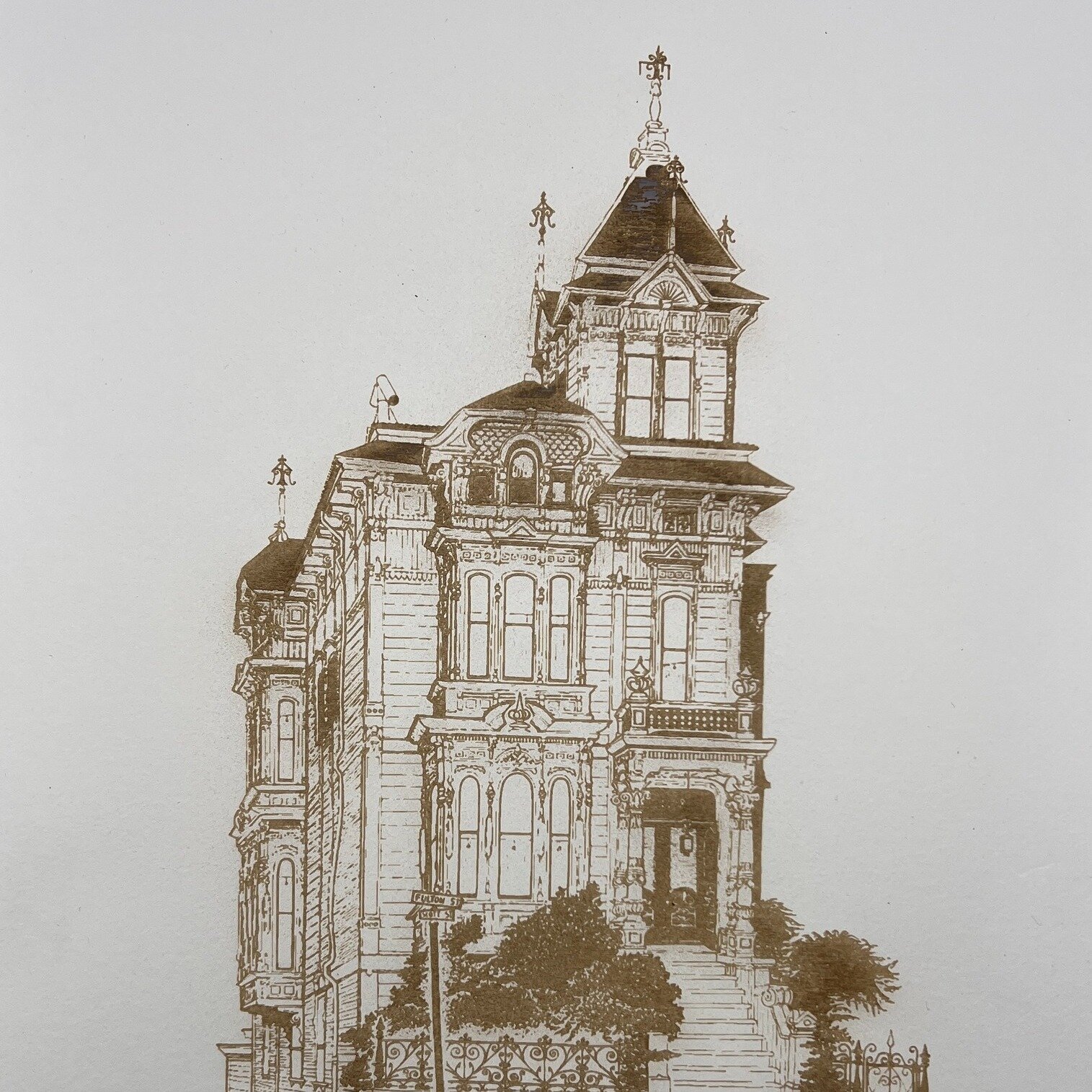
New to laser cutting? Start here. We explain the basics—how CO₂ lasers cut and engrave, which materials are safe, and how to set up your file. You’ll learn the difference between cutting and engraving, why vector files matter, and simple ways to avoid burn marks or rough edges. We also cover safety, ventilation, and tips for better results. Whether you plan to rent a laser or have us do the work, this quick guide will help you make confident choices and get cleaner parts.
FAQs
- Cutting vs. engraving—what’s the difference?
Cutting goes through the material; engraving marks the surface. - Which materials are safe to cut?
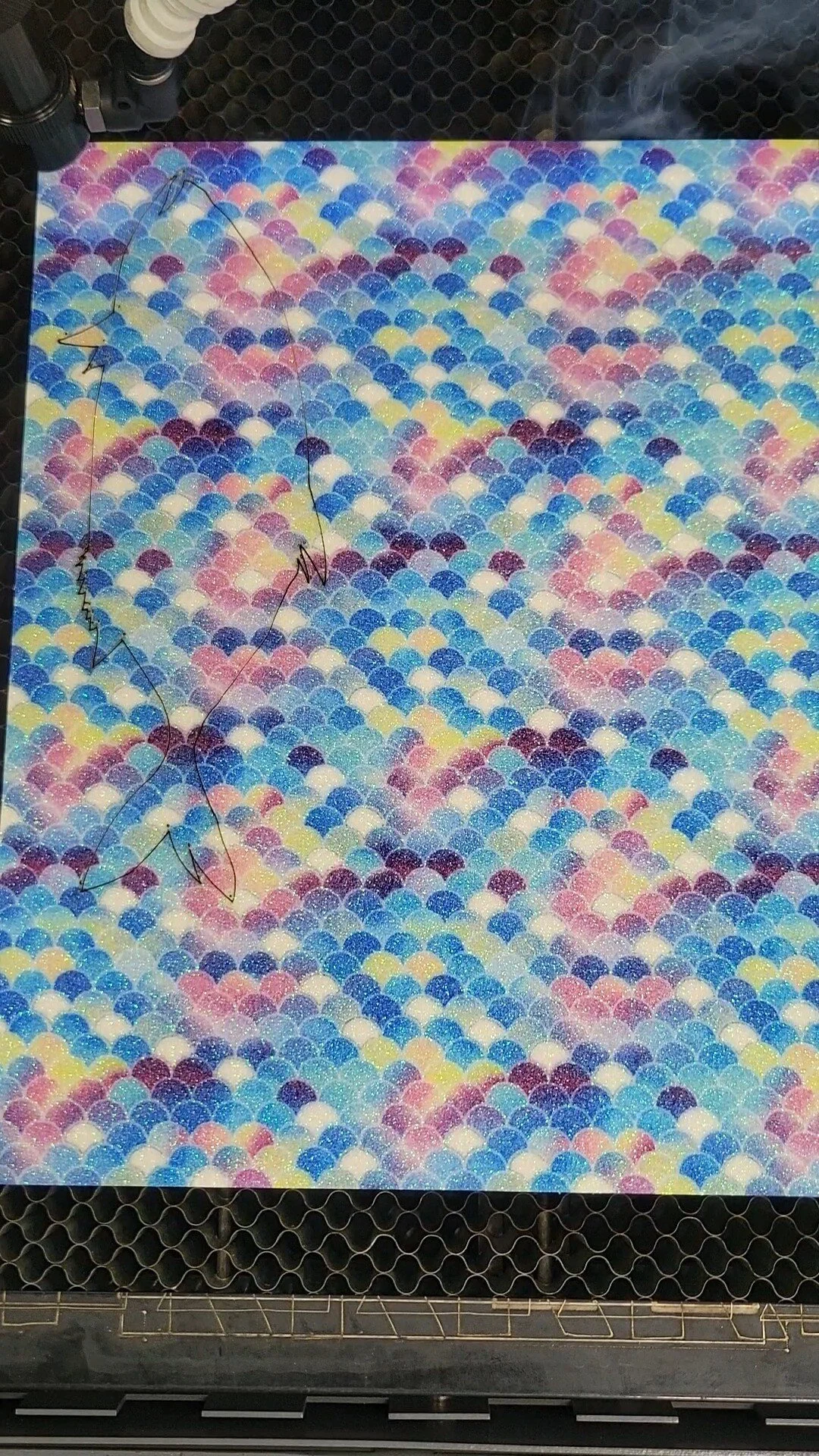
Common options include acrylic, wood, cardboard, some fabrics, and other laser-safe materials. Avoid PVC and unknown plastics. - Why won’t JPEG or PNG work for cutting?
They don’t contain paths. Laser cutters need vector files like AI, DXF, or PDF. - What software should I use?
Illustrator or LightBurn are common choices. Export clean vectors at the correct scale. - Any quick tips for cleaner results?
Use the right material, nest parts to save stock, keep optics clean, and choose sensible power/speed settings.
Why Our Turnaround Times Beat the Competition
In creative industries and manufacturing, speed matters. A tight deadline can mean the difference between winning a bid and losing it. American Laser Cutter's fast turnaround times aren't accidents—they're the result of deliberate equipment investment, staffing, and process optimization. Here's why we're consistently faster than competitors.
Equipment Redundancy and Capacity
We operate four large-format CO₂ lasers simultaneously. If one is in use, we have three others available. This capacity means we rarely face bottlenecks. A job that would require waiting days at another shop can often start immediately at ours. Large-format capacity also means we can cut bigger projects faster—no need to split jobs across multiple smaller jobs.
Efficient File Review Process
Rather than immediately launching into cutting, we review files for potential issues. This upfront review catches design problems that would otherwise require rework and delays. We fix issues proactively, reducing back-and-forth. This efficiency means faster, better results.
Strategic Staffing
We staff appropriately to handle order volume. Competitive shops sometimes under-staff, which creates bottlenecks despite having equipment. We don't. If we say we can do something in 24 hours, we have the team to deliver.
Optimized Scheduling
We batch jobs intelligently—cutting similar materials together, running engraving jobs when cutting equipment is otherwise occupied. This optimization minimizes idle time and maximizes throughput. Smart scheduling means you're not waiting for unrelated jobs to finish.
Direct Communication
We communicate directly with clients about timelines. If you have a deadline, we build a schedule around it. We don't make promises we can't keep, and we prioritize transparency about what's achievable.
When you need fast turnaround without quality compromise, American Laser Cutter delivers. Get a quote at americanlaserco.com and ask about expedited turnaround.
LASER CUTTING RESOURCES
This website is fantastic to pick up parts for your laser cutter.
This is a fantastic replacement software for laser cutters
https://lightburnsoftware.com/
This is a link to RdWorks software
https://www.ruidacontroller.com/download/
rescue files for RDworks and lightburn (still adding files)