Laser 101: FAQs & Tips for Laser Cutting
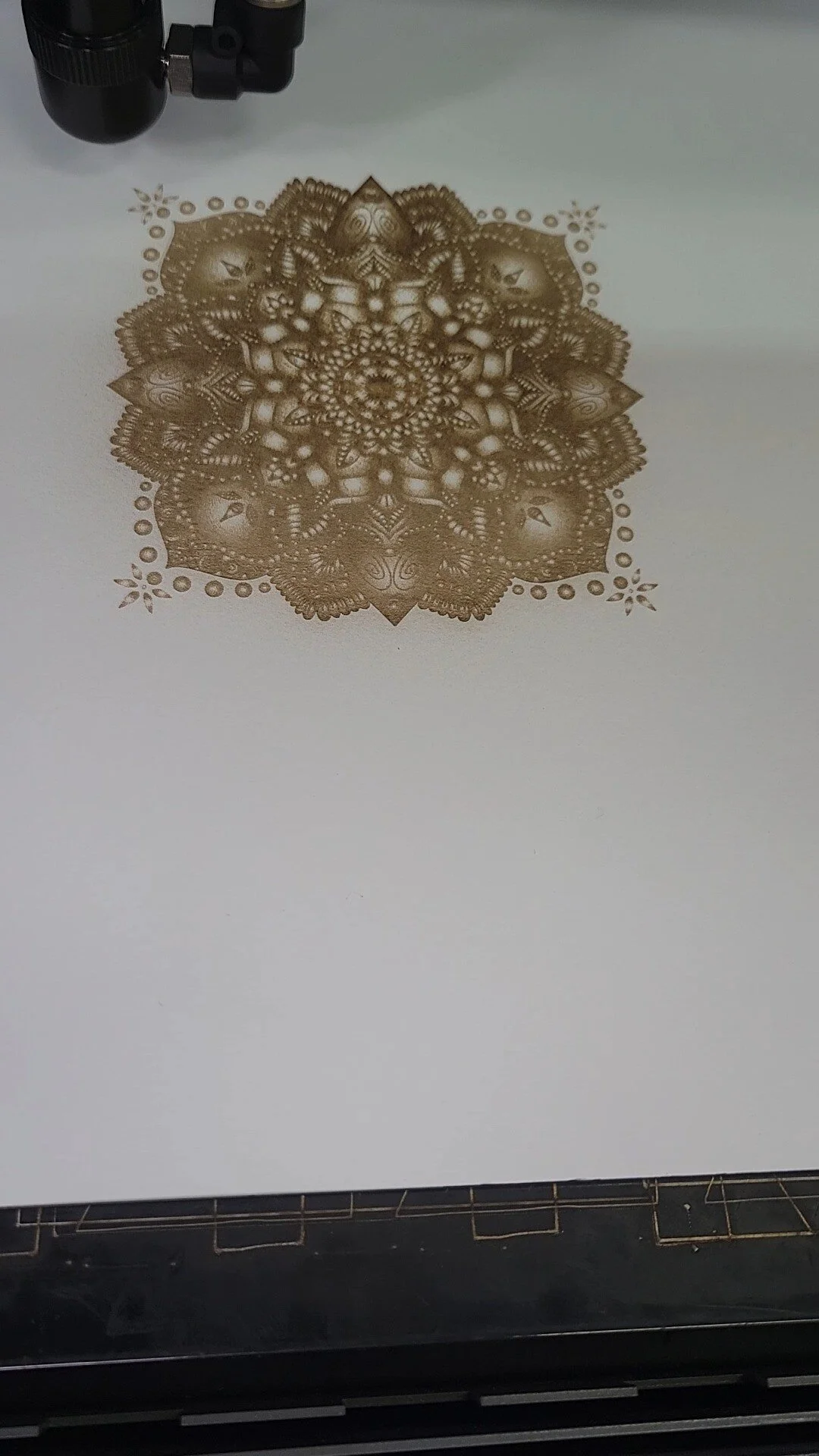
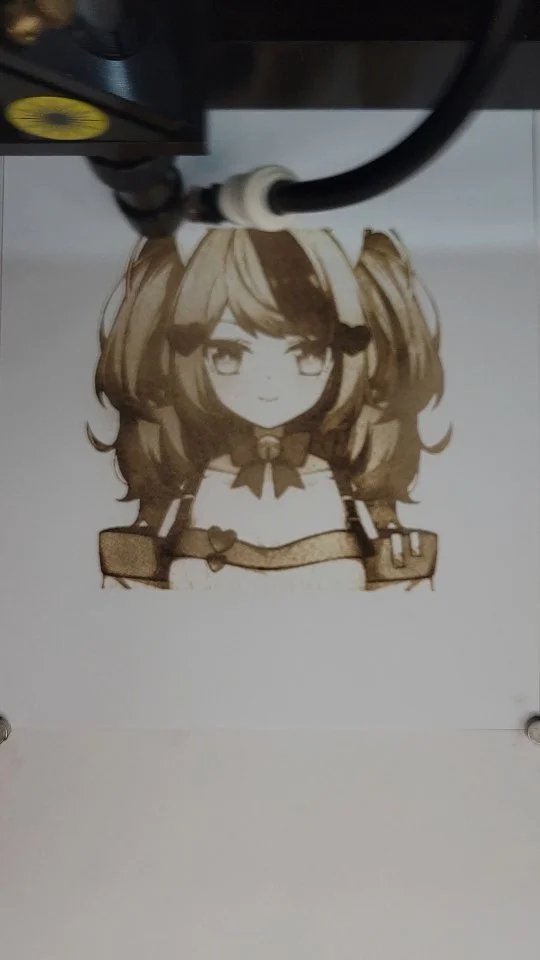
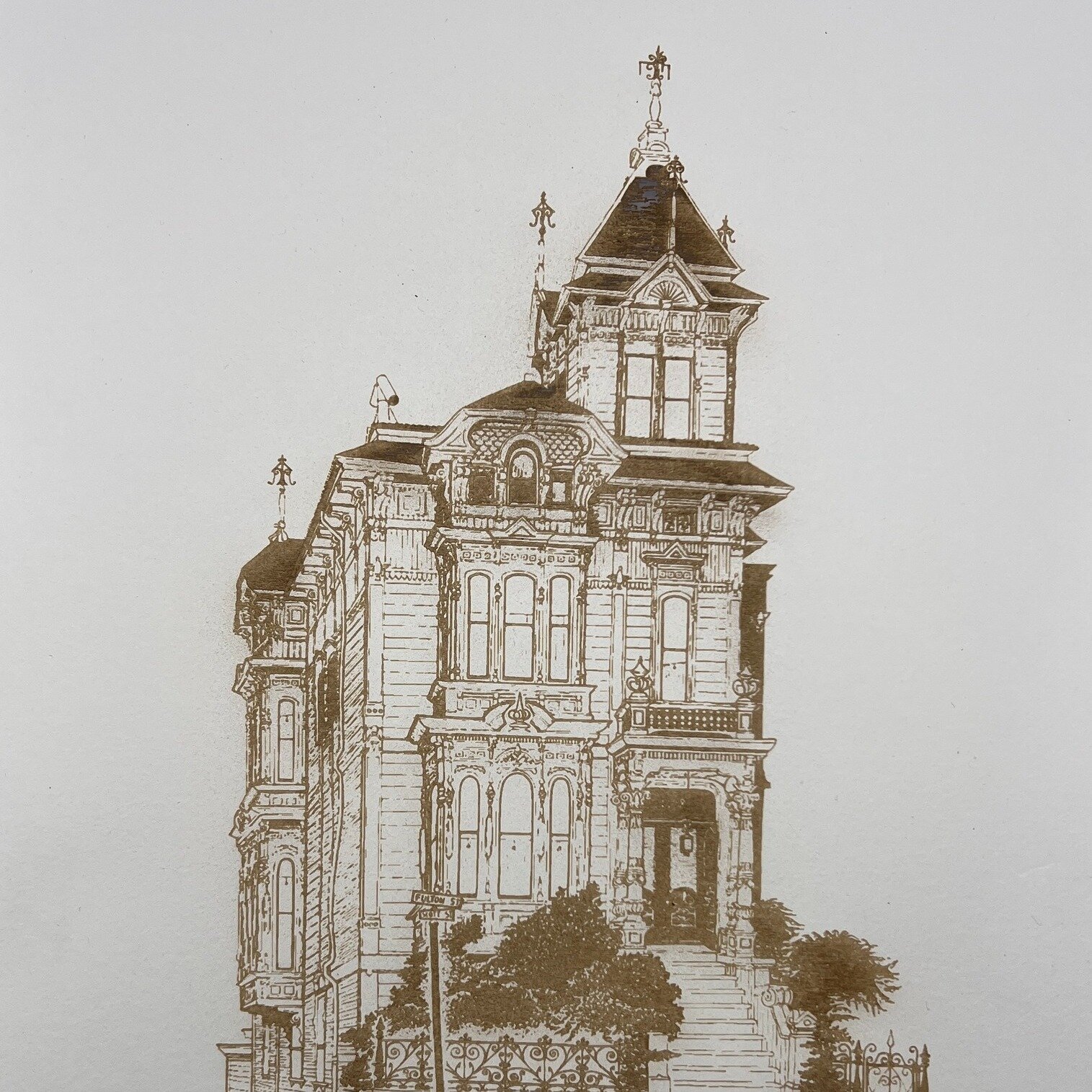
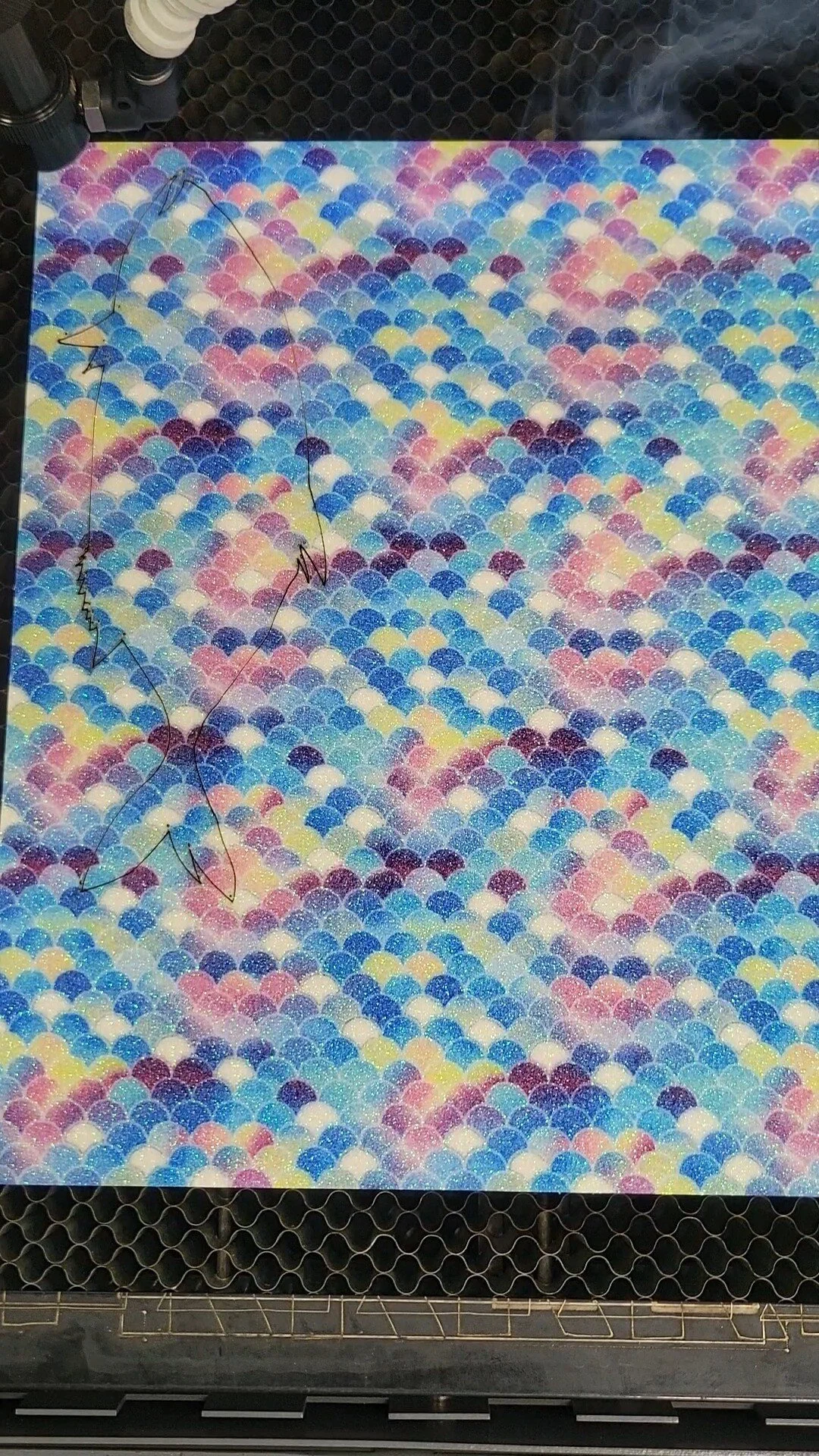
New to laser cutting? Start here. We explain the basics—how CO₂ lasers cut and engrave, which materials are safe, and how to set up your file. You’ll learn the difference between cutting and engraving, why vector files matter, and simple ways to avoid burn marks or rough edges. We also cover safety, ventilation, and tips for better results. Whether you plan to rent a laser or have us do the work, this quick guide will help you make confident choices and get cleaner parts.
FAQs
- Cutting vs. engraving—what’s the difference?
Cutting goes through the material; engraving marks the surface. - Which materials are safe to cut?
Common options include acrylic, wood, cardboard, some fabrics, and other laser-safe materials. Avoid PVC and unknown plastics. - Why won’t JPEG or PNG work for cutting?
They don’t contain paths. Laser cutters need vector files like AI, DXF, or PDF. - What software should I use?
Illustrator or LightBurn are common choices. Export clean vectors at the correct scale. - Any quick tips for cleaner results?
Use the right material, nest parts to save stock, keep optics clean, and choose sensible power/speed settings.
Choosing the Right Acrylic for Your Project
Acrylic is one of the most popular materials for laser cutting, but not all acrylic is created equal. Understanding the differences between cast and extruded acrylic, clarity options, and thickness will help you choose the right material for your project and get the best results.
Cast vs. Extruded Acrylic
Cast acrylic is made by pouring liquid acrylic into molds, creating a denser, more consistent material. It has better laser-cutting characteristics, cleaner edges, and superior clarity. Extruded acrylic is less expensive but tends to produce rougher edges when cut and can be less stable under laser heat. For projects where edge quality matters—like acrylic displays, signage, or decorative pieces—cast acrylic is worth the investment.
Clarity and Finish Options
Acrylic comes in crystal clear, frosted, and colored varieties. Clear acrylic is perfect for anything that needs transparency. Frosted acrylic diffuses light beautifully for backlit signs and creates an elegant, modern look. Colored acrylics let you build designs without paint or post-processing. Keep in mind that some colors are more prone to heat stress during cutting—your laser shop can guide you on which colors cut cleanest.
Thickness Matters
Acrylic thickness ranges from 1/8" to 1/2" or thicker. Thin acrylic (1/8") is ideal for intricate pieces, jewelry, and detailed engravings. Medium thickness (1/4") is perfect for signage, displays, and structural elements. Thicker acrylic (3/8" and up) works well for heavy-duty applications. Thicker material takes longer to cut and requires more power, which affects cost and turnaround time.
Edge Quality Expectations
Laser-cut acrylic edges are naturally clean and polished, but the quality depends on material choice and cutting technique. Cast acrylic typically produces the cleanest edges. If you want polished edges, discuss that with your shop—some operations offer edge polishing as a finishing service.
Ready to start your acrylic project? Reach out to American Laser Cutter with details about your design and material needs. Visit americanlaserco.com for a quote.
LASER CUTTING RESOURCES
This website is fantastic to pick up parts for your laser cutter.
This is a fantastic replacement software for laser cutters
https://lightburnsoftware.com/
This is a link to RdWorks software
https://www.ruidacontroller.com/download/
rescue files for RDworks and lightburn (still adding files)