Laser 101: FAQs & Tips for Laser Cutting
New to laser cutting? Start here. We explain the basics—how CO₂ lasers cut and engrave, which materials are safe, and how to set up your file. You’ll learn the difference between cutting and engraving, why vector files matter, and simple ways to avoid burn marks or rough edges. We also cover safety, ventilation, and tips for better results. Whether you plan to rent a laser or have us do the work, this quick guide will help you make confident choices and get cleaner parts.
FAQs
- Cutting vs. engraving—what’s the difference?
Cutting goes through the material; engraving marks the surface. - Which materials are safe to cut?
Common options include acrylic, wood, cardboard, some fabrics, and other laser-safe materials. Avoid PVC and unknown plastics. - Why won’t JPEG or PNG work for cutting?
They don’t contain paths. Laser cutters need vector files like AI, DXF, or PDF. - What software should I use?
Illustrator or LightBurn are common choices. Export clean vectors at the correct scale. - Any quick tips for cleaner results?
Use the right material, nest parts to save stock, keep optics clean, and choose sensible power/speed settings.
How to Prep Fabric for Laser Cutting
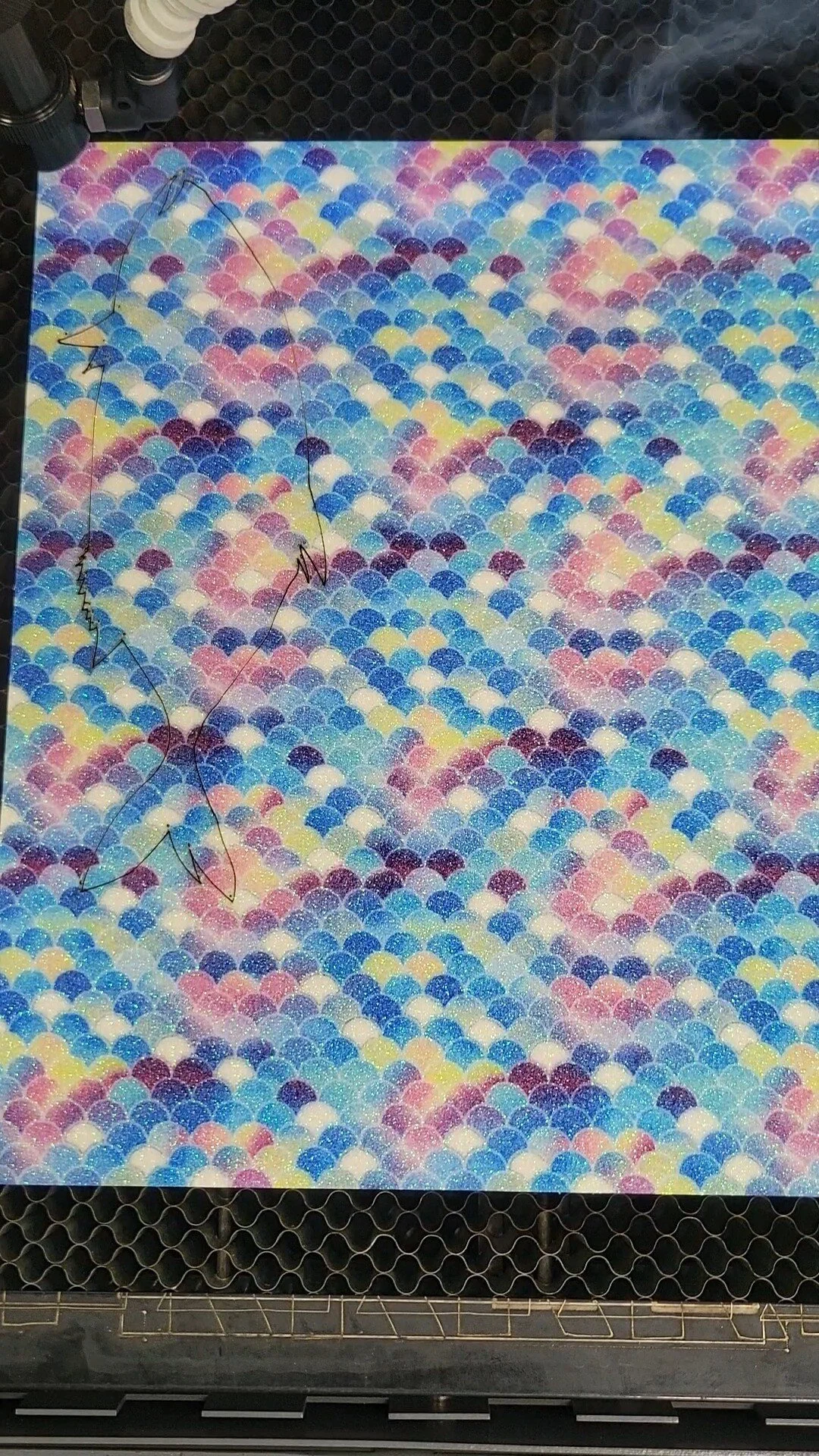
Fabric is less common for laser cutting than acrylic or wood, but certain fabrics can be laser-cut beautifully when properly prepared. Delicate fabrics can have intricate patterns engraved. Structured fabrics can be cut with precision. Here's how to prepare fabric for laser cutting and what to expect.
Which Fabrics Work Best
Natural fabrics cut much better than synthetics. Cotton, linen, silk, and wool are generally good candidates. Synthetics like polyester can melt or shrink from laser heat. Avoid blends with high synthetic content. Ask your laser shop about your specific fabric—they can advise whether it's suitable.
Fabric Stabilization
Some fabrics are too delicate to hold their shape during cutting. These benefit from temporary stabilization—a backing material that supports the fabric while the laser works. Water-soluble stabilizers are ideal; the fabric is stabilized during cutting, then the backing dissolves away. Your laser shop can advise on stabilization options for your specific fabric.
Design Considerations
Fabric fibers respond differently to the laser than solid materials. Thin, delicate lines might not cut cleanly. Intricate designs with very fine detail might not work as hoped. Consult with your laser shop about what's realistic. Engravings often work better on fabric than cuts because engravings don't need to completely separate the material.
Material Preparation
Start with clean, dry fabric. If your fabric has been folded, press it flat. Remove any loose threads or debris. If the fabric is wrinkled or stretched, that affects how it sits under the laser and can impact cut quality. Bring your fabric to your laser shop or have it delivered to them before cutting begins.
What to Expect
Fabric edges will have some charring—that's normal with laser cutting. The amount depends on the fabric and laser settings. Sealing the edges with a light application of fray check prevents unraveling. Your laser shop can advise on finishing techniques that work well for your specific project.
Testing First
If you're unfamiliar with your fabric's response to laser cutting, test on a small scrap first. You'll see how the edges look, how much charring occurs, and whether the design renders as expected. Testing prevents surprises on your full piece.
Planning fabric laser cutting? Talk to the team at American Laser Cutter about your material and design. Visit americanlaserco.com.
LASER CUTTING RESOURCES
This website is fantastic to pick up parts for your laser cutter.
This is a fantastic replacement software for laser cutters
https://lightburnsoftware.com/
This is a link to RdWorks software
https://www.ruidacontroller.com/download/
rescue files for RDworks and lightburn (still adding files)