
Laser 101: FAQs & Tips for Laser Cutting
New to laser cutting? Start here. We explain the basics—how CO₂ lasers cut and engrave, which materials are safe, and how to set up your file. You’ll learn the difference between cutting and engraving, why vector files matter, and simple ways to avoid burn marks or rough edges. We also cover safety, ventilation, and tips for better results. Whether you plan to rent a laser or have us do the work, this quick guide will help you make confident choices and get cleaner parts.
FAQs
- Cutting vs. engraving—what’s the difference?
Cutting goes through the material; engraving marks the surface. - Which materials are safe to cut?
Common options include acrylic, wood, cardboard, some fabrics, and other laser-safe materials. Avoid PVC and unknown plastics. - Why won’t JPEG or PNG work for cutting?
They don’t contain paths. Laser cutters need vector files like AI, DXF, or PDF. - What software should I use?
Illustrator or LightBurn are common choices. Export clean vectors at the correct scale. - Any quick tips for cleaner results?
Use the right material, nest parts to save stock, keep optics clean, and choose sensible power/speed settings.
Tips for Laser Cutting Wood Without Burn Marks
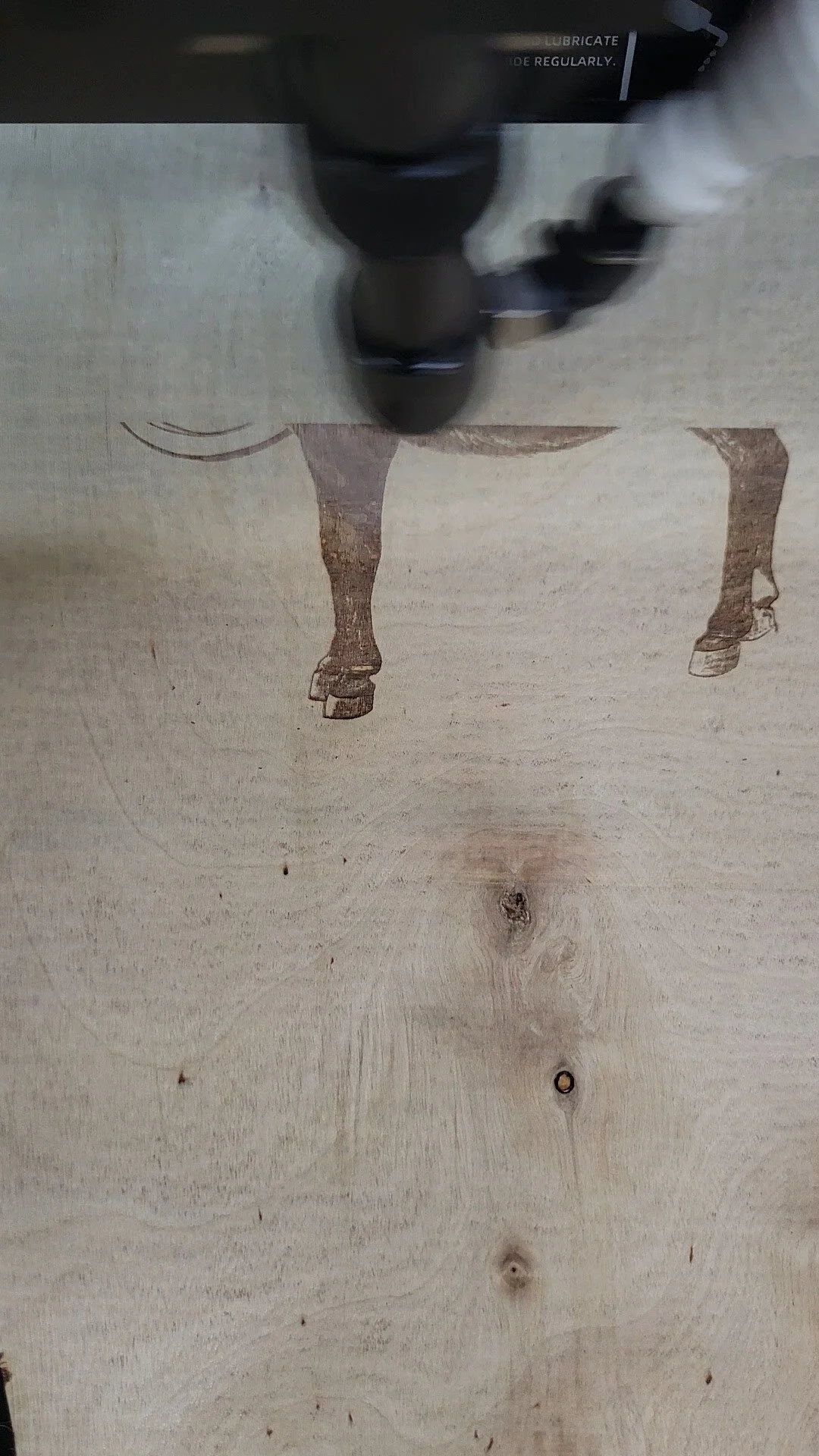
Laser cutting naturally produces a slight char on wood edges—it's the nature of the technology. But excessive burn marks, dark discoloration, or deep charring are signs that something's off. With the right approach, you can minimize burning and achieve clean, light-colored edges that look professional.
Choose the Right Wood
Different woods respond differently to laser heat. Hardwoods like birch and oak tend to burn less than softwoods. Plywood cuts cleanly if it's good quality—low-quality plywood with synthetic binders can burn heavily. Veneer and thin wood sheets are less prone to burning. Ask your laser shop which woods work best in their specific equipment.
Material Preparation
Start with clean, dry wood. Moisture and dirt can contribute to burning. If your wood has been stored in humid conditions, let it acclimate to your laser shop's environment for a day or two before cutting. Clean the surface gently to remove dust or debris that might increase heat buildup.
Laser Settings Matter
Slower cutting (lower speed) at lower power can actually produce more burn than the right speed-power combination. Your laser shop has experience dialing in settings for different wood types and thicknesses. Trust their settings—they've optimized for clean cuts with minimal burning on every material they work with regularly.
Air Assist and Cooling
Many laser cutters use compressed air (air assist) to blow away hot particles and cool the cutting edge as the laser works. This dramatically reduces burning. If your shop doesn't use air assist, they should explain why. Proper cooling is fundamental to clean cuts on wood.
What to Expect
Light charring on wood edges is normal and often adds visual character. Deep black burning isn't necessary and suggests either wrong material, incorrect settings, or equipment issues. Talk to your laser shop about your burn concerns—they may adjust settings or recommend different wood if your project requires absolutely minimal charring.
Planning a wood laser cutting project? Let American Laser Cutter handle it. We'll deliver clean cuts with minimal burning. Get a quote at americanlaserco.com.
LASER CUTTING RESOURCES
This website is fantastic to pick up parts for your laser cutter.
This is a fantastic replacement software for laser cutters
https://lightburnsoftware.com/
This is a link to RdWorks software
https://www.ruidacontroller.com/download/
rescue files for RDworks and lightburn (still adding files)