Laser 101: f.a.q and tips about Laser cutting
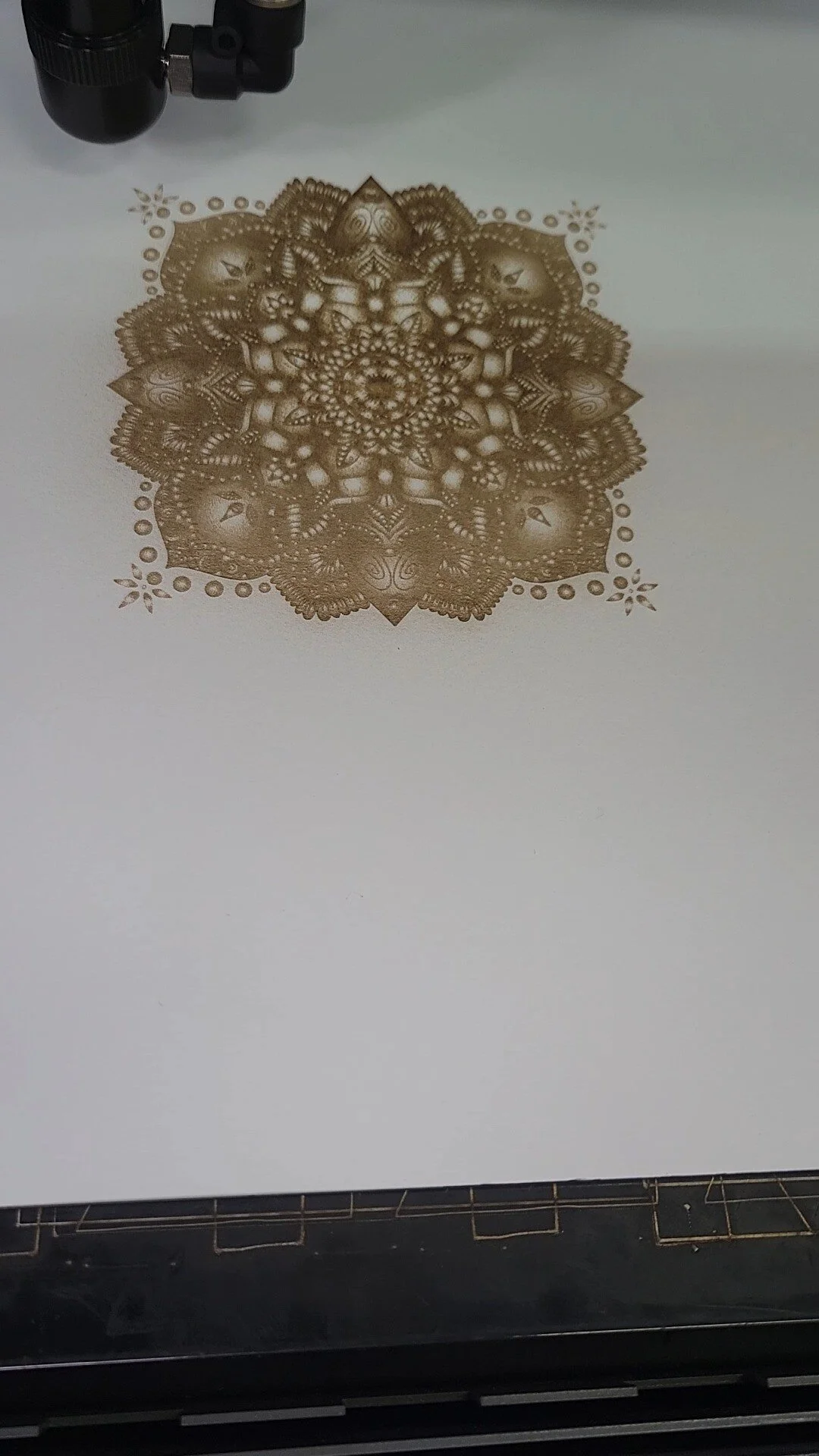
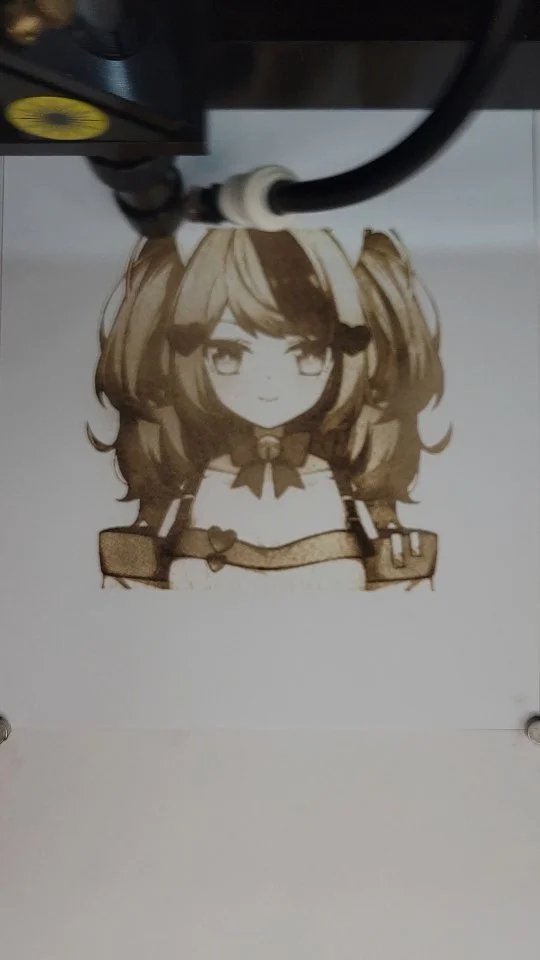
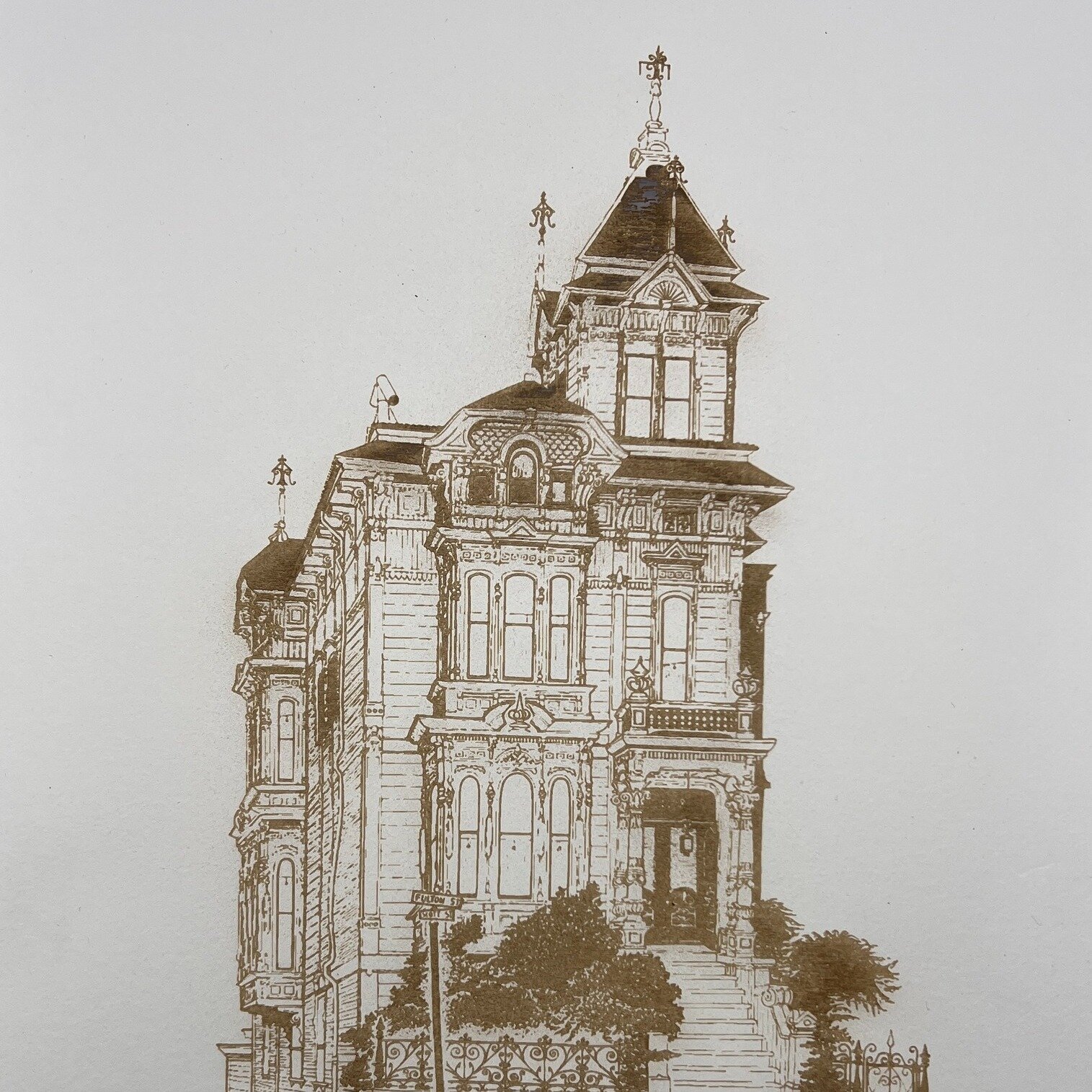
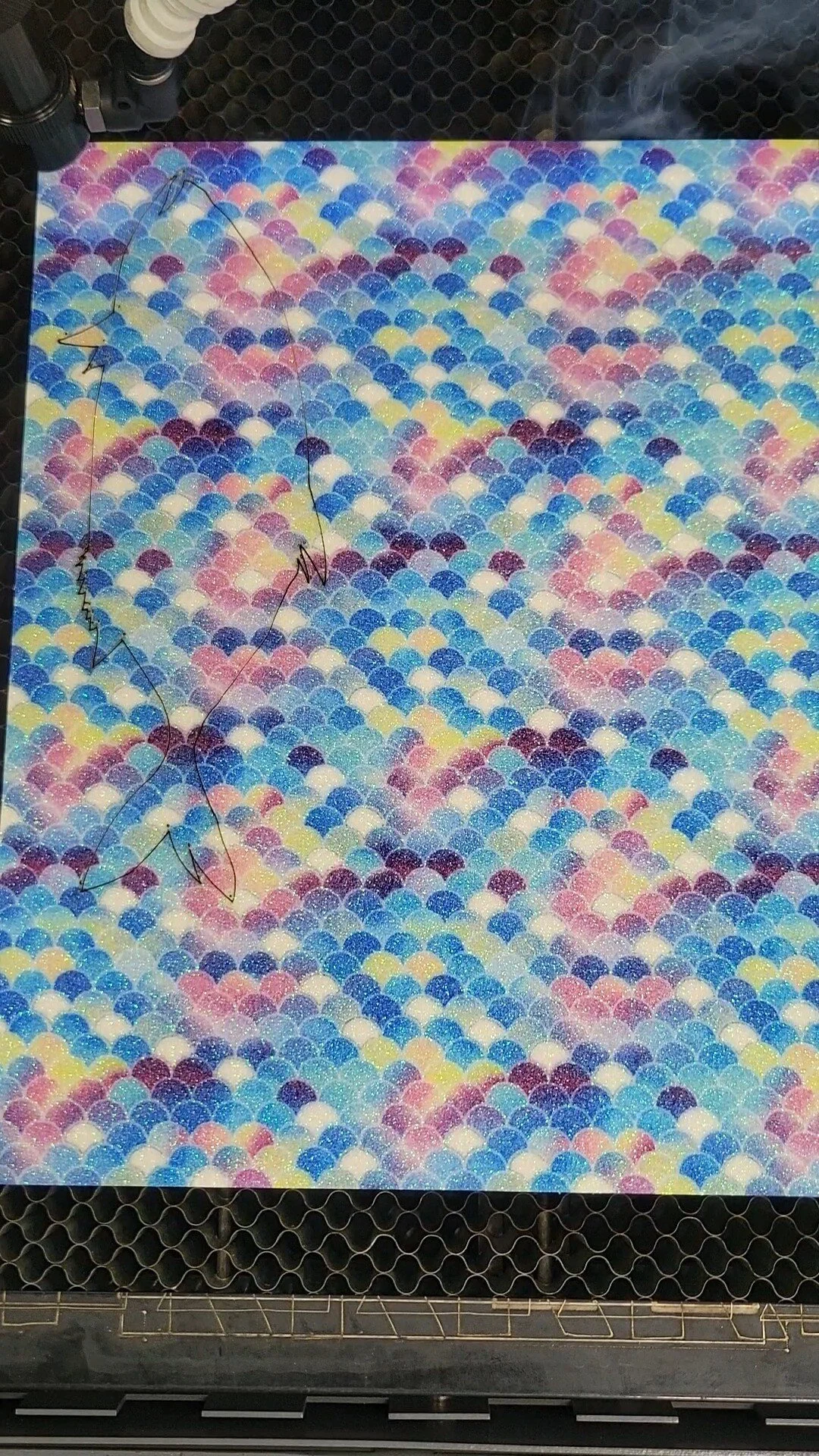
New to laser cutting? Start here. We explain the basics—how CO₂ lasers cut and engrave, which materials are safe, and how to set up your file. You’ll learn the difference between cutting and engraving, why vector files matter, and simple ways to avoid burn marks or rough edges. We also cover safety, ventilation, and tips for better results. Whether you plan to rent a laser or have us do the work, this quick guide will help you make confident choices and get cleaner parts.
FAQs
- Cutting vs. engraving—what’s the difference?
Cutting goes through the material; engraving marks the surface. - Which materials are safe to cut?
Common options include acrylic, wood, cardboard, some fabrics, and other laser-safe materials. Avoid PVC and unknown plastics. - Why won’t JPEG or PNG work for cutting?
They don’t contain paths. Laser cutters need vector files like AI, DXF, or PDF. - What software should I use?
Illustrator or LightBurn are common choices. Export clean vectors at the correct scale. - Any quick tips for cleaner results?
Use the right material, nest parts to save stock, keep optics clean, and choose sensible power/speed settings.
The Most Unusual Materials Ever Laser Cut (and Why Some Worked)
The Most Unusual Materials Ever Laser Cut (and Why Some Worked)
Laser cutting is often associated with wood, acrylic, and metals. But innovators around the world have experimented with far stranger materials. Some results are impressive, while others serve as cautionary tales. Exploring these unusual experiments highlights both the versatility and the limits of laser technology.
Chocolate and Confectionery
Believe it or not, chocolate can be laser cut. Bakeries and food designers have used low-power CO₂ lasers to etch designs into chocolate bars and even cut shapes into thin sheets.
Why It Works: Chocolate absorbs laser energy easily without requiring much power.
Challenges: Heat can melt or discolor the chocolate if not carefully controlled.
Applications: Custom logos, edible decorations, and artistic desserts.
Leaves and Natural Fibers
Artists have used lasers to cut patterns into dried leaves, flowers, and other plant matter.
Why It Works: Organic material vaporizes cleanly with low power.
Challenges: Fragility makes it easy to burn or tear.
Applications: Botanical art, jewelry, and eco-friendly decor.
Denim and Everyday Clothing
Fashion designers experiment with denim laser cutting to create distressed textures or intricate lace-like patterns.
Why It Works: Lasers burn away surface fibers for controlled fading or patterns.
Challenges: Overheating can weaken fabric.
Applications: Custom jeans, jackets, and fashion statements.
Edible Seaweed Sheets
Some chefs use lasers on nori (seaweed sheets) to make artistic sushi wraps.
Why It Works: Thin, dry sheets cut easily with low power.
Challenges: Fragility and flammability.
Applications: Creative food presentation in high-end restaurants.
Stone and Slate
While not unusual in industrial contexts, cutting or etching stone surprises many. Lasers don’t cut through thick stone but can engrave the surface with precision.
Why It Works: High-power lasers chip away at the surface.
Challenges: Cannot achieve deep cuts; limited to marking or engraving.
Applications: Custom coasters, tiles, plaques.
Paper-Thin Metals from Everyday Items
Artists have repurposed soda cans and aluminum foil for laser projects.
Why It Works: Thin metals cut cleanly with fiber lasers.
Challenges: Reflectivity requires careful setup to avoid damaging the machine.
Applications: Jewelry, small sculptures, decorative items.
Materials That Failed
Some experiments showed why safety matters:
PVC: Releases toxic chlorine gas.
ABS: Produces cyanide fumes.
Polycarbonate: Burns and discolors instead of cutting.
These attempts serve as warnings about checking material safety first.
Questions & Answers
Q1: Can lasers really cut food like chocolate or seaweed?
A: Yes, with low power settings and careful control, food can be engraved or cut for decorative purposes.
Q2: What’s the weirdest successful laser-cut material?
A: Many say chocolate or seaweed, since both have been used in high-end culinary design.
Q3: Why do some materials fail with lasers?
A: Certain plastics release toxic fumes or resist cutting due to their chemical makeup.
Q4: Are unusual materials safe to experiment with?
A: Only if verified safe. Always avoid PVC, ABS, fiberglass, and other toxic materials.
Q5: What does this say about laser cutting’s potential?
A: It shows that lasers are more versatile than most people realize — not just for industrial use but also for art, fashion, and food.
Why Your Laser Cutter Is Losing Power (and How to Test It)
Why Your Laser Cutter Is Losing Power (and How to Test It)
Understanding Power Loss in CO₂ Lasers
If your laser cutter is taking longer to cut, struggling with materials it used to handle easily, or producing inconsistent burns, you’re likely dealing with power degradation. It’s one of the most common and frustrating issues laser owners face—especially with older CO₂ systems.
Laser power loss can develop gradually or suddenly, depending on several underlying causes. Recognizing which type you’re dealing with is key to solving it quickly.
Common Causes of Power Loss
Aging or worn-out laser tube
CO₂ laser tubes lose efficiency over time as the gas mixture weakens. Even if your power supply is fine, a weak tube can cause your machine to cut inconsistently.Misaligned optics
Mirrors or lenses that are even slightly out of alignment can scatter energy and reduce beam strength at the cutting point.Dirty mirrors or lenses
Dust, smoke, or residue buildup can block or diffuse light energy, lowering output dramatically.Power supply or wiring faults
Faulty cables, cracked insulation, or inconsistent voltage delivery can mimic tube problems.Cooling system issues
Poor water flow or overheating can cause power dips and accelerate tube wear.
How to Test for Power Loss
If your machine suddenly stops performing like it used to, check:
Beam output consistency: Fire test pulses at identical settings and compare burn marks.
Cut comparison: Try the same file and material that used to work well.
Voltage reading: If you have proper training and tools, check output at the power supply (otherwise, stop—this involves high voltage).
If these tests confirm your laser isn’t firing at full strength, it’s time for a professional diagnosis.
Why Professional Diagnosis Matters
Most cases of power loss are not caused by a single issue. Tubes, mirrors, power supplies, and controllers all interact, and fixing one without inspecting the others can waste money and risk further damage.
At American Laser Cutter, we use diagnostic tools to:
Measure true tube output and voltage stability
Identify alignment drift and optical loss
Verify power supply integrity
Inspect cooling and exhaust systems for wear
We provide full-service on-site repairs in the Los Angeles area and remote diagnostic support nationwide. Whether your system just needs recalibration or a full component replacement, our technicians can restore your laser to full performance.
Conclusion
Loss of power doesn’t mean your laser’s life is over. With expert testing and precision repair, most machines can return to peak output quickly.
If your CO₂ laser has lost power or cutting accuracy, American Laser Cutter can help—either on-site or remotely anywhere in the U.S.
Contact americanlaserco@gmail.com to schedule a diagnostic session today.
Laser Cutting Services — Los Angeles
Laser Cutting Services — Los Angeles
Clean, Accurate, and Professional Results
American Laser Cutter provides precision CO₂ laser cutting for creative professionals, engineers, and businesses throughout Los Angeles. Every project is cut on large-format industrial machines designed for accuracy and repeatability, producing clean edges and reliable results every time.
Capabilities
Cutting size: up to 4’×5’
Laser power: 100W–180W CO₂ systems
Accepted files: AI, DXF, PDF
Supported materials: acrylic, birch plywood, paperboard, and more laser-safe options
Edge finish: smooth, sealed, and production-ready
Clients can provide their own material or purchase from our in-house supply.
How It Works
Send your file and project details for a custom quote.
Approve your estimate and confirm material choice.
Production begins at our Downtown Los Angeles shop.
Pickup or shipping arranged once complete.
Turnaround averages 3–5 business days, with faster options available upon request.
Advantages
Tight tolerances: Clean cuts and consistent accuracy.
Scalable output: From single prototypes to full production runs.
Fast communication: Speak directly with our cutting team.
Local service: Centrally located for quick turnaround and delivery.
Best For
Product prototypes
Custom signage
Displays and enclosures
Architectural models
Decorative and branded pieces
Request a Quote
Attach your AI, DXF, or PDF file and email americanlaserco@gmail.com, or visit americanlaserco.com to get started with your next laser cutting project.
Laser Cutting Services in Downtown Los Angeles
Laser Cutting Services in Downtown Los Angeles
Precision Results for Every Project
American Laser Cutter provides high-accuracy CO₂ laser cutting for clients who need clean edges, exact tolerances, and professional consistency. We handle everything from individual prototypes to full production runs using large-format industrial systems operated in-house.
Capabilities
Cutting size: up to 4’×5’
Power range: 100–180 watts
Accepted file types: AI, DXF, PDF
Supported materials: acrylic, birch, and other verified laser-safe options
Edge quality: polished, precise, and production-ready
Clients may bring their own material or choose from in-stock options.
Process
Submit your vector file by email for a quote.
Confirm your project details — material, size, and quantity.
Approve and pay to start production.
Pickup or shipping arranged when your order is complete.
Turnaround averages 3–5 business days, with rush options available.
Benefits
Exact detail: Consistent, repeatable accuracy on every cut.
Flexible scale: Perfect for prototypes, one-offs, or bulk production.
Fast communication: Direct with technicians, not a call center.
Central location: Convenient pickup in Downtown Los Angeles.
Ideal For
Product and packaging designers
Architects and builders
Artists and fabricators
Manufacturers and small businesses
Get a Quote
Send your project details and file to americanlaserco@gmail.com or visit americanlaserco.com to request a quote for your next laser cutting job.
Laser Cutting Services for Los Angeles Businesses and Creators
Laser Cutting Services for Los Angeles Businesses and Creators
High-Precision Cutting, Local Expertise
American Laser Cutter delivers professional CO₂ laser cutting for clients across Los Angeles who demand precision and consistency. From one-off prototypes to ongoing production, every cut is handled on commercial-grade systems built for accuracy and repeatability.
Service Capabilities
Cutting size: up to 4’×5’
Power range: 100W–180W CO₂ lasers
Accepted files: AI, DXF, or PDF
Supported materials: acrylic, birch, and other verified laser-safe types
Finish: clean, sealed edges ready for use or assembly
Clients are welcome to supply their own material or purchase from available stock.
How It Works
Send your vector file with project details.
Receive a custom quote based on material and cutting time.
Confirm your order to begin production.
Pickup or shipping once your job is complete.
Standard turnaround is 3–5 business days. Rush options (1–2 days) are available when needed.
Benefits
Consistent accuracy: Industrial systems deliver smooth, repeatable results.
Scalable workflow: Ideal for both creative studios and manufacturing runs.
Transparent pricing: Quotes based on time and material only.
Los Angeles location: Centrally positioned for fast service and delivery.
Common Applications
Product prototyping and short runs
Architectural mockups
Retail and event signage
Art and design projects
Custom packaging components
Get a Quote
Email americanlaserco@gmail.com with your file and project details, or visit americanlaserco.com to request a quote for your next laser cutting job.
Precision Laser Cutting in Los Angeles
Precision Laser Cutting in Los Angeles
Professional Service. Accurate Results.
American Laser Cutter provides custom CO₂ laser cutting services for creative professionals, engineers, and manufacturers throughout Los Angeles. Every job is cut to your exact specifications using industrial-grade equipment and carefully maintained systems for consistent accuracy.
Capabilities
Cutting area: up to 4’×5’
Laser power: 100W–180W CO₂ systems
File types accepted: AI, DXF, PDF
Compatible materials: acrylic, birch plywood, paperboard, and more (must be laser-safe)
Finishing edge: smooth, precise, ready for assembly or packaging
Clients can supply their own materials or select from in-stock options.
Our Process
Submit your file for a quote via email.
Confirm material and quantity.
Production begins once your order is approved and paid.
Pickup or shipping arranged upon completion.
Standard turnaround is 3–5 business days, with 1–2 day rush available.
Why Clients Choose Us
Industrial precision: Clean edges and consistent detail every time.
Flexible production scale: From small creative projects to commercial batches.
Direct communication: Work with technicians who understand design and fabrication.
Downtown convenience: Centrally located for fast local delivery or pickup.
Typical Projects
Prototypes and enclosures
Architectural and model components
Custom displays and signage
Branded and promotional products
Decorative or functional parts
Request a Quote
Attach your AI, DXF, or PDF file and project details to americanlaserco@gmail.com, or visit americanlaserco.com to start your next laser cutting project.
Laser Cutting Services in Los Angeles
Laser Cutting Services in Los Angeles
Precision Cutting for Professionals and Creators
American Laser Cutter delivers high-accuracy CO₂ laser cutting for businesses, artists, and engineers across Los Angeles. From detailed prototypes to full-scale production runs, every job is handled with consistency, precision, and care.
What We Offer
Large-format cutting up to 4’×5’
High-power CO₂ systems for smooth edges and clean lines
Material flexibility: acrylic, wood, paperboard, and other laser-safe options
File formats accepted: AI, DXF, or PDF
Fast turnaround: standard 3–5 business days or rush service available
Clients may also provide their own laser-safe material for custom projects.
Why Choose American Laser Cutter
Professional results: Tight tolerances and uniform quality.
Flexible production: One-off pieces or recurring orders.
In-house control: No outsourcing or middlemen.
Local service: Centrally located in Downtown Los Angeles.
Applications
Architectural models
Product design and prototyping
Custom signage and displays
Packaging components
Art installations and decor
Getting Started
Send your vector file and project details for a custom quote.
For all inquiries, contact americanlaserco@gmail.com or visit americanlaserco.com.
Create with Precision: Laser Cutter Rentals in Los Angeles
Create with Precision: Laser Cutter Rentals in Los Angeles
Professional Tools, Your Vision
Step into a workspace built for precision and creativity. American Laser Cutter lets you rent time on industrial CO₂ lasers, giving you full control over your projects—whether you’re prototyping a new product, crafting custom signage, or producing short-run parts.
What You’ll Work With
High-powered CO₂ lasers (100W–180W)
Generous 4’×5’ cutting area for large projects
LightBurn software included at every station
Laser-safe materials available for purchase or bring your own
Expert staff nearby to keep your session running smoothly
Simple, Straightforward Process
Reserve a session — all rentals are by appointment.
Bring your design file in AI, DXF, or PDF format.
Use your material or ours—acrylic, wood, and more.
Operate independently once you’ve completed the safety orientation.
Each appointment gives you full access to our laser systems for the duration of your reserved time.
Why Creators Choose This Program
Complete creative control: Make edits and adjustments on the spot.
No outsourcing delays: Produce results the same day.
Cost-effective: Use high-end machines only when needed.
Confidential: Keep your designs private from start to finish.
Perfect For
Small brands and design studios
Architects and engineers
Artists and educators
Rapid prototyping and fabrication teams
Reserve a Session
Operate top-tier laser cutters in a professional environment—right in Downtown Los Angeles.
To book time, email americanlaserco@gmail.com or visit americanlaserco.com.
Rent a Laser Cutter in Downtown Los Angeles
Rent a Laser Cutter in Downtown Los Angeles
Access Pro Machines for Your Own Projects
American Laser Cutter offers hourly access to commercial CO₂ laser systems—perfect for fabricators, designers, and makers who want hands-on control. Operate our high-powered lasers yourself and complete production quickly, efficiently, and exactly the way you want.
What’s Available
Industrial-grade CO₂ lasers up to 4’×5’ bed size
100W–180W power range for fine detail or fast throughput
LightBurn stations for direct file control
Laser-safe material options available for purchase
Clean, ventilated workspace in central Los Angeles
How It Works
Schedule your session (appointments required).
Upload or bring your vector file in AI, DXF, or PDF format.
Bring your own laser-safe materials or choose from in-house stock.
Cut and engrave independently after a short orientation.
You operate the same machines used for commercial production, maintaining full privacy and creative control.
Why Use the Rental Program
Precision tools: Access advanced laser systems without buying one.
Flexible use: Pay only for time reserved.
Fast results: Same-day cutting and adjustments.
Confidential process: No third-party handling your files.
Ideal Users
Product designers and prototypers
Architects and builders
Artists and signage professionals
Small manufacturers and startups
Book Laser Time
Cut your next project on professional equipment in Downtown Los Angeles.
Email americanlaserco@gmail.com or visit americanlaserco.com to reserve a session.
Operate a Professional Laser Cutter in Los Angeles
Operate a Professional Laser Cutter in Los Angeles
Precision Cutting, When You Need It
American Laser Cutter provides hourly access to large-format CO₂ laser machines for anyone who needs high-quality cutting and engraving without outsourcing. Work directly on our equipment, refine your designs, and complete production on-site—all by appointment.
Equipment Overview
Work area: up to 4’×5’
Power range: 100W–180W
Software: LightBurn included at each station
Supported materials: acrylic, plywood, paperboard, and other laser-safe types
Environment: clean, air-filtered workspace with staff assistance available
Session Process
Book in advance — appointments only.
Upload your vector file in AI, DXF, or PDF format.
Bring or purchase materials suitable for laser cutting.
Use the machine independently after a short safety orientation.
Once your session starts, you maintain full control of your design and process.
Advantages
On-demand access: Reserve time only when needed.
Creative control: Adjust settings in real time.
Fast turnaround: Cut, inspect, and leave with completed parts.
Confidential workflow: Your designs stay private.
Recommended For
Architects and engineers
Prototype developers
Independent artists
Production teams needing overflow capacity
Schedule a Session
Reserve laser time at American Laser Cutter and work on your own terms in Downtown Los Angeles.
To schedule, email americanlaserco@gmail.com or visit americanlaserco.com.
Laser Cutting Access for Creators in Los Angeles
Laser Cutting Access for Creators in Los Angeles
Rent Time. Use Pro Equipment. Build Without Limits.
American Laser Cutter gives creators, startups, and design professionals the ability to use industrial CO₂ lasers on an hourly basis. Work directly on your own designs, make adjustments in real time, and leave with finished parts the same day.
Professional Tools Available
High-powered CO₂ lasers up to 180W
Large 4’×5’ cutting area for bigger projects
LightBurn software stations included
Material flexibility: acrylic, wood, and more (must be laser-safe)
Optional material purchase available on-site
How It Works
Book an appointment — all sessions are scheduled in advance.
Bring your vector design in AI, DXF, or PDF format.
Provide your own material or select from available stock.
Operate the laser independently once checked in and oriented.
First-time users receive a brief introduction to ensure safe, efficient use. Returning users can book and begin cutting immediately.
Benefits of Renting
Speed: Produce parts on demand.
Precision: Adjust power, speed, and passes live.
Privacy: Keep all files and materials under your control.
Scalability: Great for small runs, mockups, and prototypes.
Ideal For
Product developers
Small business owners
Artists and signage specialists
Schools and creative programs
Book Your Laser Session
Access professional laser cutters in Downtown Los Angeles and take control of your production process.
To schedule a session, email americanlaserco@gmail.com or visit americanlaserco.com.
Hands-On Laser Cutting in Los Angeles
Hands-On Laser Cutting in Los Angeles
Rent Professional Equipment and Create on Your Schedule
At American Laser Cutter, you can rent time on industrial CO₂ laser systems and produce your own work from start to finish. This program is ideal for individuals and teams who need precision tools, flexible scheduling, and total control over their projects.
Access Industry-Grade Lasers
Cutting area: up to 4’×5’
Power range: 100–180 watts for varied materials
Software: LightBurn included for precise control
Environment: Clean, ventilated, and maintained workspace
Support: Staff available for basic guidance and troubleshooting
How It Works
Schedule your session in advance (appointments required).
Bring your design in AI, DXF, or PDF format.
Use your own laser-safe materials or buy from our on-site stock.
Operate independently once oriented on the system.
Each rental session begins with a quick safety and operation review for new users, ensuring every project runs efficiently and safely.
Why Choose Laser Rental
Independent production: No waiting on external shops.
Budget control: Pay only for the hours you use.
Rapid testing: Modify and rerun designs instantly.
Professional precision: Use the same hardware trusted by commercial clients.
Who Benefits Most
Designers and engineers
Small-scale manufacturers
Artists and architects
Educators and student teams
Reserve Your Time
Operate high-performance lasers right in Downtown Los Angeles.
Contact americanlaserco@gmail.com or visit americanlaserco.com to reserve your next session.
Hourly Laser Cutter Access in Los Angeles
Hourly Laser Cutter Access in Los Angeles
Work on Professional Machines Without Outsourcing
American Laser Cutter offers an hourly rental program designed for creators who want hands-on control. Whether you’re cutting acrylic, wood, or other laser-safe materials, you’ll use the same precision equipment trusted by commercial clients—no ownership or maintenance required.
Equipment and Features
CO₂ lasers up to 4’×5’ bed size
100W–180W power options for fast, accurate cutting
LightBurn software included on every station
Assisted setup and calibration available on request
Clean, well-maintained workspace ready for production
How to Rent
Book a time slot (all use is by appointment only).
Bring your file in AI, DXF, or PDF format.
Provide your own material or purchase from our on-site selection.
Operate independently during your session after a short orientation.
Advantages
Save time: Skip outsourcing delays and control your own output.
Stay flexible: Pay only for hours you use.
Protect your designs: Keep projects confidential.
Improve precision: Adjust power and speed instantly to get it right.
Common Uses
Product prototyping
Custom signage and displays
Architectural models
Art, decor, and fabrication projects
Book Your Laser Time
Experience precision cutting on demand in the heart of Los Angeles.
Email americanlaserco@gmail.com or visit americanlaserco.com to schedule your rental session.
Rent Professional Laser Cutters in Los Angeles
Rent Professional Laser Cutters in Los Angeles
Precision Equipment. Your Creative Control.
Take command of professional CO₂ laser machines without owning one. At American Laser Cutter, our rental program lets you book time on large-format systems used by top designers and manufacturers across Los Angeles. Cut, engrave, and prototype on your own schedule—with expert support nearby if you need it.
What You’ll Have Access To
Industrial CO₂ lasers up to 4’×5’ workspace
Multiple wattages for speed and material flexibility
LightBurn workstation for complete file and setting control
Clean, calibrated machines ready for your session
Optional material purchase or use of your own laser-safe stock
How Sessions Work
Book your time in advance — appointments only.
Bring your vector design in AI, DXF, or PDF format.
Check in for a short orientation (for new users).
Cut or engrave your parts during your reserved window.
You’ll manage your own projects directly on our equipment while maintaining full privacy and creative flexibility.
Why It Makes Sense
Immediate results: No waiting for outsourced production.
Total control: Adjust your file, settings, or materials in real time.
Affordable access: Use pro-level tools only when you need them.
Scalable for business: Ideal for short runs, prototypes, and fast turnarounds.
Best For
Creative studios
Engineers and inventors
Architecture and model-making
Educational and design programs
Reserve Laser Time
Operate professional cutting equipment with confidence and precision—right in Downtown Los Angeles.
To reserve your spot, email americanlaserco@gmail.com or visit americanlaserco.com.
Laser Cutter Rental in Los Angeles
Laser Cutter Rental in Los Angeles
Access Professional Lasers by the Hour
American Laser Cutter offers a rental program for individuals and businesses who want direct access to our professional CO₂ laser machines. Perfect for designers, engineers, and artists who prefer to run their own jobs and maintain control over every detail.
What’s Included
Large-format lasers up to 4’×5’ cutting area
Multiple power options for different materials and cutting speeds
LightBurn software for full design control
On-site support to help you operate efficiently
Hourly rental system with a two-hour minimum for first sessions
How It Works
Schedule an appointment in advance (all visits are by appointment only).
Bring your vector file in AI, DXF, or PDF format.
Use your own laser-safe material or choose from our in-house selection.
Cut your project using our guided workstation setup.
New users receive a short orientation on equipment operation and safety. Returning users can reserve laser time and get started immediately.
Why Rent a Laser Cutter
Full creative control: Adjust power, speed, and design settings in real time.
Efficient prototyping: Test and refine designs on the spot.
Flexible access: Book time when you need it without long-term costs.
Confidential workflow: Your files and materials stay private.
Ideal For
Product designers and inventors
Small businesses and startups
Artists and architects
Sign makers and model builders
Get Started
Reserve your laser time today and experience the precision of industrial-grade cutting in the heart of Los Angeles.
For bookings or questions, contact americanlaserco@gmail.com or visit americanlaserco.com.
Design File Formats for Laser Cutting
Laser cutters rely on digital files to know where to cut or engrave. Unlike traditional tools, there’s no manual tracing — the machine follows computer instructions with precision. The choice of file format plays a huge role in whether a project runs smoothly or hits frustrating roadblocks. This article explores the most common and useful formats for laser cutting, explains why some work better than others, and gives tips on preparing files correctly.
Vector vs. Raster
Before looking at formats, it’s important to distinguish between two types of graphics:
Vector Graphics
Made up of mathematical paths. Lines, curves, and shapes are defined by coordinates. Perfect for laser cutting because the machine can follow these paths exactly.Raster Graphics
Made up of pixels. Great for photographs and complex images, but not ideal for cutting. Laser software may reject them or require conversion first.
Laser cutters need vector files for cutting operations. Raster files may be used for engraving, but they must be handled carefully.
Common File Formats
DXF (Drawing Exchange Format)
Why It Works: A standard CAD file type widely supported by laser software.
Pros: Universally accepted, especially for precise engineering drawings.
Cons: Sometimes exports with broken paths or scaling issues.
Best For: Engineering, architectural models, and technical parts.
AI (Adobe Illustrator)
Why It Works: Native to Illustrator, a leading design program.
Pros: Excellent for detailed artwork, curves, and design flexibility.
Cons: May include hidden layers or effects that don’t translate well to laser software.
Best For: Graphic-heavy designs, signage, creative projects.
PDF (Portable Document Format)
Why It Works: A flexible format that preserves vector paths.
Pros: Easy to share, maintains design integrity across systems.
Cons: Some PDFs embed raster images instead of true vectors.
Best For: General use, especially when files need to be exchanged across platforms.
Why JPEG and PNG Don’t Work
JPEG and PNG are raster image formats. While they look fine on screen, they lack the vector paths laser cutters require for cutting. They can sometimes be converted into vectors, but the results are often messy and require cleanup.
For example, a JPEG of a logo may look sharp, but the laser software would see only pixels, not lines. Converting it could create hundreds of unnecessary points, slowing down the cut.
Best Practices for File Preparation
Use True Vectors
Make sure your file contains actual paths, not just embedded images.Simplify Paths
Too many nodes can slow cutting. Clean up unnecessary points.Check for Open Paths
Closed shapes cut better. Open paths can cause errors or incomplete cuts.Scale Properly
Double-check dimensions before exporting. Scaling errors are a common issue.Save in Multiple Formats
Providing AI, DXF, and PDF versions increases compatibility.
Questions & Answers
Q1: Which file format is most commonly accepted by laser cutters?
A: DXF is the most universal, especially for technical designs.
Q2: Can I use JPEG or PNG files for cutting?
A: Not directly. They are raster files and must be converted to vector first.
Q3: Why do some PDFs fail in laser software?
A: Because not all PDFs contain vector data — some only embed raster images.
Q4: What’s the safest way to send a file to a shop?
A: Provide a clean vector file in DXF, AI, or PDF format, and confirm with the shop which they prefer.
Q5: How can I avoid scaling issues?
A: Always set your file units (inches, millimeters) clearly before exporting, and check dimensions after import.
Laser Cutting vs CNC Machining: Key Differences
When it comes to modern manufacturing, two of the most popular options for creating precise parts are laser cutting and CNC machining. Both are computer-controlled and both deliver accurate, repeatable results, but they are very different processes. Understanding their strengths and limitations helps in choosing the right method for any project.
What is Laser Cutting?
Laser cutting uses a focused beam of light to cut or engrave materials. The design is provided as a vector file, and the laser follows the digital path with extreme accuracy. The process is non-contact, meaning the tool never physically touches the material.
Strengths: High precision, minimal waste, works with wood, acrylic, fabric, paper, some plastics, and metals (with proper equipment).
Limitations: Best for sheet materials; thickness and reflectivity can limit options.
What is CNC Machining?
CNC machining refers to computer-controlled subtractive processes like milling, drilling, and turning. A rotating cutting tool removes material from a workpiece, shaping it into the desired form.
Strengths: Excellent for metals and thicker materials, allows for complex 3D shapes.
Limitations: Slower setup, more material waste, requires physical tooling.
Comparing the Two
Material Compatibility
Laser Cutting: Ideal for non-metals like wood and acrylic; also works with thin metals using industrial lasers.
CNC Machining: Excels with metals (steel, aluminum, brass) and can handle thicker stock.
Precision
Laser Cutting: Tolerances within fractions of a millimeter; very narrow kerf width.
CNC Machining: Also precise, often within thousandths of an inch, especially important in engineering applications.
Complexity
Laser Cutting: Great for 2D profiles and intricate patterns.
CNC Machining: Better for 3D shapes, cavities, and components requiring multiple surfaces.
Speed
Laser Cutting: Faster for thin materials and detailed patterns.
CNC Machining: Slower due to tool changes and passes, but necessary for complex forms.
Cost
Laser Cutting: Lower cost for prototypes and small runs due to no tooling.
CNC Machining: Higher upfront costs, but more economical for large-volume runs of metal parts.
Applications
Laser Cutting: Signage, packaging, architectural models, jewelry, and prototypes.
CNC Machining: Engine parts, aerospace components, molds, and precision mechanical parts.
Many industries use both depending on the project. For example, a company may use CNC machining for metal housings and laser cutting for acrylic covers.
Choosing Between Them
The decision comes down to material, design, and purpose:
If you need flat parts with intricate details in wood, acrylic, or thin sheet metal → Laser Cutting.
If you need complex, three-dimensional metal components → CNC Machining.
For prototyping, laser cutting is often faster and cheaper.
For functional, load-bearing components, CNC machining usually wins.
Questions & Answers
Q1: Which is more accurate — laser cutting or CNC machining?
A: Both are very accurate, but CNC machining typically achieves tighter tolerances for metal components.
Q2: Is laser cutting cheaper than CNC machining?
A: For small runs and prototypes, yes. CNC machining becomes more cost-effective at higher volumes of complex metal parts.
Q3: Can a laser cutter replace a CNC machine?
A: No, they serve different purposes. Lasers excel at 2D cutting, while CNC handles 3D machining.
Q4: Which is faster for production?
A: Laser cutting is generally faster for thin, flat materials. CNC is slower but necessary for complex forms.
Q5: Do industries use both?
A: Yes. Many manufacturers combine laser cutting for sheet parts with CNC machining for structural or detailed components.
What Materials Can You Laser Cut?
Great — here’s the next one, in fullOne of the most compelling reasons people choose laser cutting is its versatility. A single machine can work with a wide range of materials, from wood and acrylic to metals and fabrics. Still, not every material is safe or practical, and understanding the differences is essential before starting a project.
Wood
Wood is one of the most common and beginner-friendly materials. Both hardwoods and softwoods cut cleanly, while plywood is popular for prototypes and signage.
Pros: Cuts easily, engraves with good contrast, affordable.
Cons: Can warp or burn if settings aren’t tuned; thickness can be limiting.
Uses: Furniture components, signage, models, decorative items.
Acrylic
Acrylic is often considered the gold standard for laser projects. When cut properly, it leaves a flame-polished, glossy edge that looks professional.
Pros: Clean edges, available in many colors and finishes.
Cons: Only cast acrylic engraves well; extruded acrylic produces frosted edges.
Uses: Displays, illuminated signs, awards, product housings.
Paper and Cardboard
Laser cutters excel with thin materials like paper, cardstock, and cardboard. Designers and packaging engineers rely on this for rapid prototyping.
Pros: Inexpensive, fast to cut, versatile.
Cons: Easy to burn; requires careful power settings.
Uses: Invitations, packaging prototypes, architectural models.
Leather
Natural leather cuts and engraves beautifully, producing durable and stylish results.
Pros: Strong contrast when engraved, works for both cutting and marking.
Cons: Synthetic leathers often contain PVC, which is unsafe.
Uses: Fashion accessories, upholstery details, custom branding.
Fabrics
Many textiles, including cotton, felt, and polyester blends, respond well to laser cutting. The process seals edges to prevent fraying.
Pros: Fine detail possible, fast processing.
Cons: Some synthetics melt; fumes may vary.
Uses: Fashion design, stage costumes, upholstery panels.
Plastics
Certain plastics are compatible:
Safe Options: PETG, Delrin, Mylar.
Avoid: PVC, ABS, polycarbonate, and fiberglass due to toxic fumes or poor cut quality.
Always verify the composition before cutting.
Metals
Standard CO₂ lasers are limited with metals, but fiber lasers and high-power CO₂ machines handle them effectively.
Pros: Extremely durable results, precision cutting.
Cons: Requires higher-end equipment; cost is greater.
Uses: Aerospace components, signage, jewelry, industrial parts.
Glass and Ceramics
Glass cannot be cut but can be engraved for decorative purposes. Ceramics are similar — etching works, but full cutting is not possible with most systems.
Unsafe Materials
A few materials should never go into a laser cutter:
PVC — releases chlorine gas.
ABS — produces cyanide-based fumes.
Polycarbonate — discolors and resists cutting.
Fiberglass — hazardous fibers released.
These can harm both people and machines.
Questions & Answers
Q1: What is the easiest material for beginners to cut?
A: Wood and acrylic are the most beginner-friendly, producing predictable results.
Q2: Can you cut glass with a laser cutter?
A: No, glass cannot be cut, but it can be engraved for decorative purposes.
Q3: Why is PVC unsafe to cut?
A: It releases chlorine gas, which is toxic to humans and corrosive to the machine.
Q4: What’s the thickest material a laser can cut?
A: It depends on the machine. Hobby lasers may cut ¼-inch wood, while industrial systems handle steel over an inch thick.
Q5: Can fabric be safely cut with lasers?
A: Yes, many natural and synthetic fabrics can be cut, but some synthetics may melt or produce fumes.
Empowering Your Enterprise: Renting a Laser Cutter for Your Business at American Laser Cutter
Empowering Your Enterprise: Renting a Laser Cutter for Your Business at American Laser Cutter
In the vibrant entrepreneurial ecosystem of Los Angeles, businesses are constantly seeking innovative ways to enhance their products, streamline their processes, and maintain a competitive edge. Laser cutting has emerged as an indispensable technology for countless ventures, offering unparalleled precision, versatility across materials, and the ability to bring complex designs to life. However, for many businesses, particularly startups and those with fluctuating production needs, the significant upfront investment of purchasing a laser cutter can be a daunting barrier. This is precisely where American Laser Cutter’s DIY (Do-It-Yourself) laser cutting program in Los Angeles becomes a strategic game-changer, offering a flexible, cost-effective, and empowering path to integrating this powerful technology into your business operations.
American Laser Cutter's unique approach allows businesses to unlock the transformative potential of laser cutting without the burdens of ownership. It's about providing tool hire, equipment rental, and a comprehensive self-service laser cutting experience that aligns perfectly with the agile demands of modern enterprise.
The Strategic Advantage: Renting a Laser Cutter for Your Business
Opting to rent a laser cutter through American Laser Cutter's DIY program offers a multitude of benefits tailored to propel your business forward:
Drastically Reduced Upfront Investment: Freeing Up Capital
Purchasing a professional-grade CO2 laser cutter can involve a capital expenditure ranging from tens to hundreds of thousands of dollars. For a nascent business, this sum can be prohibitive, tying up crucial funds that could be better allocated to marketing, product development, staffing, or inventory. Renting a laser cutter by the hour or through our timeshare program eliminates this massive initial outlay. You pay only for the time you actually use the machine, transforming a substantial capital expense into a manageable operational cost. This financial flexibility is invaluable for:
Startups: Launching your product or service line with minimal financial risk.
Small Businesses: Preserving cash flow for core business growth and innovation.
Experimental Ventures: Testing new product ideas or niche markets without committing to expensive machinery.
Unmatched Flexibility and Scalability for Fluctuating Demands:
Business demands rarely remain static. Project volumes can surge during peak seasons or fluctuate with client needs. Owning a machine means facing either underutilization during slow periods or being constrained by its capacity during busy times. Renting a laser cutter provides unparalleled adaptability:
Pay-as-You-Go Model: You only pay for the exact hours your business needs the laser cutter. This is ideal for seasonal work, project-based contracts, or businesses that anticipate initial limited volume.
Adapt to Growth: If your project volume increases rapidly, you can simply rent more hours or even utilize multiple machines simultaneously at American Laser Cutter. Conversely, if demand temporarily slows, you're not burdened by an expensive, idle asset.
Experiment with Capabilities: Renting allows you to explore different laser cutter models and capabilities (e.g., higher power for thicker materials, larger bed sizes for bigger products) before making a long-term commitment. This helps you identify the ideal machine specifications for your target market and diverse project types.
Direct Access to State-of-the-Art, Large-Format Technology (Unique in Los Angeles):
American Laser Cutter is a premier equipment rental facility and makerspace offering direct access to 3-foot by 4-foot (3'x4') and 4-foot by 5-foot (4'x5') CO2 laser cutters. This is a significant advantage, as we are effectively the only place in Los Angeles where you can directly rent and operate laser cutters of this industrial scale. For your business, this means:
Handling Large Projects: Produce oversized signage, large architectural model components, furniture pieces, or expansive custom awards in a single, seamless cut, enhancing quality and reducing assembly.
Optimized Material Usage: Efficiently nest multiple parts onto full sheets of material, minimizing waste and improving your cost per unit.
Competitive Edge: Offer product sizes and complexities that smaller, more common laser cutters cannot accommodate, opening up new market opportunities.
Focus on Core Business Growth, Not Equipment Maintenance:
Owning a laser cutter comes with ongoing responsibilities: routine cleaning, calibration, consumables (lenses, mirrors), potential repairs, and staying updated with software. When you rent from American Laser Cutter, all these concerns are expertly managed by our team. Our experienced technicians ensure the machines are always in optimal working condition. This frees you to:
Concentrate on Clients: Dedicate your time and energy to marketing, sales, customer service, and refining your product offerings.
Innovate and Design: Focus on the creative and strategic aspects of your business, rather than the operational headaches of equipment ownership.
Reduce Overhead: Eliminate the need for in-house maintenance staff or costly external repair contracts.
Expert Training and Technical Support: Empowering Your Team:
American Laser Cutter doesn't just offer tool hire; we offer comprehensive education and support that directly benefits your business:
Intro to LightBurn Course: Our remote "Intro to LightBurn" course, available for just $120 per hour, equips you and your team with the essential skills to prepare designs, optimize settings, and confidently operate our machines. We work with LightBurn, the industry-standard software, to ensure your skills are relevant.
Personalized Learning: Our remote learning format allows for tailored instruction, addressing your business's specific needs for materials, designs, or production goals. We can even teach you at your shop, remotely anywhere in the world, or at our downtown Los Angeles location.
On-Site Assistance: During your DIY sessions, our experienced assistants are always present to answer questions, provide guidance, and assist with any challenges, ensuring smooth and efficient production. This on-demand support minimizes costly mistakes and learning curves.
Troubleshooting Expertise: Learn how to identify and solve common laser cutting issues, reducing downtime and increasing your team's self-sufficiency. For complex issues, our team also offers laser cutter repair services.
Rapid Prototyping and Product Iteration:
For product development, prototyping speed is paramount. Renting enables agile development:
Quick Test Runs: Produce prototypes on demand, test their fit and function, and make immediate design adjustments.
Accelerated Market Entry: Rapid iteration cycles allow you to bring new products or customized solutions to market faster, gaining a significant competitive edge.
American Laser Cutter: Your Partner in Business Success
American Laser Cutter's DIY program, including our flexible timeshare program for dedicated access and our Laser Operating School for Professionals, provides a strategic approach to launching and growing your laser cutting-dependent business in Los Angeles. Our large format CO2 laser cutters (3'x4' and 4'x5') are perfect for cutting acrylic up to 1/2 inch, wood, paper, fabric, and more. You and up to one friend can rent dedicated time slots, with an additional $10/hr per extra person.
Whether you're exploring the feasibility of a new product line, managing fluctuating order volumes, or simply seeking to gain hands-on production control, our equipment rental service offers the ideal solution. Embrace the potential of DIY laser cutting, empower your team with expert training, and focus on what matters most: building and scaling your business.
Ready to equip your business for success? Contact American Laser Cutter today at diyscheduling@gmail.com or call 213-866-4738 ext 2 to schedule your "Intro to LightBurn" course or book your DIY laser cutting time. We are open Monday-Friday, 10 am-6 pm by appointment, with DIY hours from 11 am-5 pm. Unleash your business's creative and productive potential with us!
What is Laser Cutting?
Laser cutting is a widely used fabrication method that combines precision, efficiency, and flexibility. It has become one of the most popular manufacturing processes for industries ranging from signage and architecture to product design and education. But what exactly is laser cutting, and why has it become so essential in modern production?
The Basics of Laser Cutting
At its core, laser cutting is a subtractive manufacturing process. A high-powered laser beam is generated, focused through lenses or mirrors, and directed onto a material. The intense heat either melts, burns, or vaporizes the material along a programmed path, creating precise cuts or engravings.
The laser beam is controlled by a computer system, typically using CNC (computer numerical control). Designs are loaded from digital files — usually vector-based formats like AI, DXF, or PDF — and the laser follows these paths with extreme accuracy. This allows for intricate patterns, fine details, and consistent results.
The History of Laser Cutting
The first commercial laser cutters appeared in the 1960s, primarily for industrial metal processing. Over the decades, as costs came down and technology advanced, laser cutters became common in workshops, schools, and even homes. Today, machines range from small desktop hobby models to large industrial systems capable of cutting thick steel plates.
Why Laser Cutting Is Popular
Several factors explain why laser cutting is now standard in many industries:
Precision: Cuts can be accurate down to fractions of a millimeter.
Flexibility: Works with a wide range of materials including wood, acrylic, leather, paper, fabric, and metals (with the right machine).
Efficiency: Faster than many traditional cutting methods, especially for complex or repetitive designs.
Consistency: Every piece produced from the same file is identical.
Minimal Waste: The narrow kerf width (cutting gap) means less material waste compared to saws or blades.
Types of Laser Cutting
There are three main types of laser cutting processes:
Fusion Cutting – The laser melts the material, and a jet of gas (usually nitrogen) blows the molten material out of the kerf.
Flame Cutting – Oxygen is used to oxidize the material, producing additional heat and speeding the cut, especially for metals.
Sublimation Cutting – The material is vaporized directly into gas, which is common for wood, plastics, and fabrics.
Materials Commonly Used in Laser Cutting
Laser cutting is not universal — not all materials can or should be cut. The most popular safe and effective materials include:
Wood – plywood, hardwoods, softwoods.
Acrylic – especially clear and colored cast acrylic.
Cardboard & Paper – for packaging, prototypes, and models.
Leather & Fabric – for fashion, upholstery, and crafts.
Certain Plastics – such as Delrin or PETG.
Metals – aluminum, steel, brass, and others (typically with fiber lasers or industrial CO₂ lasers).
Some materials, like PVC or ABS, should never be cut due to toxic fumes and potential machine damage.
Applications of Laser Cutting
The versatility of laser cutting means it appears in countless industries and applications. A few key examples:
Signage – lettering, logos, displays.
Prototyping – engineers and designers rapidly test product concepts.
Architectural Models – precise scale models from wood, acrylic, or cardboard.
Jewelry & Fashion – intricate patterns in fabric, leather, or metals.
Packaging – custom boxes, inserts, and branding.
Education – STEM labs use laser cutters to teach design and fabrication.
The Future of Laser Cutting
As technology improves, we’re seeing faster machines, cleaner cuts, and integration with AI-driven design software. Automation is increasing as well, allowing companies to handle large production runs with minimal supervision. Sustainability is also becoming a focus, with smarter nesting algorithms to reduce waste and more energy-efficient machines entering the market.
Questions & Answers About Laser Cutting
Q1: What is laser cutting?
A: Laser cutting is a process that uses a concentrated beam of light to cut or engrave materials according to a digital design file.
Q2: What materials can be laser cut?
A: Common materials include wood, acrylic, leather, cardboard, paper, and some metals. Each machine has different capabilities.
Q3: Is laser cutting expensive?
A: Costs depend on material, thickness, design complexity, and machine time. For many projects, laser cutting is cost-efficient compared to traditional methods.
Q4: Can laser cutters cut metal?
A: Yes, but not all machines can. Industrial CO₂ and fiber lasers are used for metals, while hobby-grade machines generally handle wood, plastics, and paper.
Q5: Why is laser cutting better than traditional cutting methods?
A: It offers higher precision, less waste, faster turnaround, and the ability to handle complex designs with ease.
LASER CUTTING RESOURCES
This website is fantastic to pick up parts for your laser cutter.
This is a fantastic replacement software for laser cutters
https://lightburnsoftware.com/
This is a link to RdWorks software
https://www.ruidacontroller.com/download/
rescue files for RDworks and lightburn (still adding files)